 ✨ AI Generated
Hokoku-jinja Shrine
Japanese: 豊国神社
Hatsukaichi, Hiroshima
This information was written by AI and may contain mistakes. Please check official sources for opening hours, fees, and other details before you go.
Found a mistake? Let us know with “✏️ Something's wrong” on this spot's screen in asobot →
🎧 Audio guide(1:02)
In short
Hokoku-jinja Shrine is a large hall on a hill northeast of Itsukushima Shrine, popularly known as "Senjokaku Hall." Originally a grand sutra hall (Daikyodo) that Toyotomi Hideyoshi decided to build, its construction was halted due to the dispatch of troops to Korea and Hideyoshi's death, and it has been handed down to this day without ceiling planks or front stairs. In 1872, it became Hokoku-jinja Shrine dedicated to Hideyoshi, and the building is a national Important Cultural Property.
- Spacious Hall: Called "Senjokaku Hall" due to its size, it lets you feel the expansive space lined with thick pillars up close when you step inside
- Unfinished Ceiling: Looking up reveals the beams and wooden framework supporting the roof, so you can still see the hall as it was when construction stopped
- Spirit of the Momoyama Period: In addition to the grand scale of the structure and the thickness of the timber, the gold leaf on the eave tiles conveys the bold spirit characteristic of the Momoyama period
History and Highlights
Hokoku-jinja Shrine is a large hall situated on a hill northeast of Itsukushima Shrine, popularly known as Senjokaku Hall (literally "pavilion of 1,000 tatami mats"). Originally, it was a grand sutra library (Daikyodo) commissioned by Toyotomi Hideyoshi in 1587 (Tensho 15). The hall was meant for memorial services for fallen warriors and monthly sutra chanting; its construction was overseen by Ankokuji Ekei and was nearly complete by 1589 (Tensho 17). However, due to the dispatch of troops to Korea and Hideyoshi's death, work was halted. The building has been handed down to this day in an unfinished state, lacking ceiling planks and front entrance stairs.
Following the separation of Shinto and Buddhism during the Meiji period, statues including the Shaka Nyorai enshrined in the hall were relocated to Daigan-ji Temple, and in 1872 (Meiji 5), it became Hokoku-jinja Shrine dedicated to Hideyoshi. In 1918 (Taisho 7), Kato Kiyomasa was also enshrined alongside him. The building is designated as a national Important Cultural Property and serves as one of the subordinate shrines (massha) of Itsukushima Shrine.
Sights and Experiences
- Spacious Hall: The hall is called "Senjokaku Hall" due to its immense size. Stepping inside, you can immediately feel the expansive open space framed by a series of thick pillars.
- Unfinished Ceiling: Because ceiling planks were never installed, looking up reveals the exposed beams and wooden framework supporting the roof. It is a rare hall where you can observe its construction precisely as it was when work was abandoned.
- Spirit of the Momoyama Period: In addition to the grand scale of the structure and the thickness of the timber, the tiles along the eaves are decorated with gold leaf, conveying the bold, dynamic spirit characteristic of the Momoyama period during Hideyoshi's era.
Travel Tips
To reach Hokoku-jinja Shrine, climb the stone steps near the entrance of Itsukushima Shrine. The Five-storied Pagoda stands right beside it, making it convenient to visit both together. Detailed information about the pagoda can be found in the "Five-storied Pagoda" guide. The Buddhist statues once enshrined in this hall are now kept at Daigan-ji Temple, located near the exit of Itsukushima Shrine. Visiting along with Daigan-ji Temple provides a glimpse into Miyajima's past when Shinto and Buddhism were deeply intertwined.


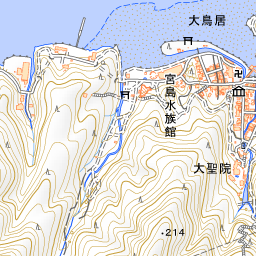
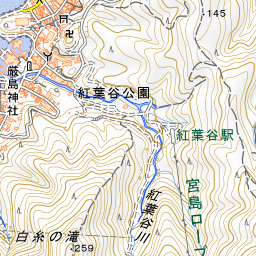
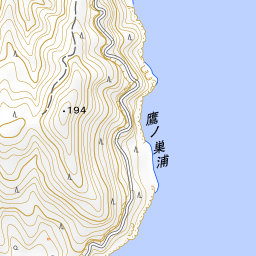
Spot location © OpenStreetMap contributors (ODbL)
Open in Google MapsGuides that include this spot (1)
Use asobot while you walk
- See where you are on the map and find spots nearby
- Listen to the guide's audio in course order, one after another (with subtitles)
- Walk to the next spot while following the map
Open on your phone
Scan to open this spot in asobot on your phone.