 ✨ AI Generated
Ine-no-Funaya Boathouses
Japanese: 伊根の舟屋
Ine Town, Kyoto
This information was written by AI and may contain mistakes. Please check official sources for opening hours, fees, and other details before you go.
Found a mistake? Let us know with “✏️ Something's wrong” on this spot's screen in asobot →
🎧 Audio guide(0:54)
In short
About 230 Funaya boathouses stand in a row along Ine Bay, in the town of Ine in the northeastern part of the Tango Peninsula. The Funaya were built to pull boats out of the sea and protect them from wind, rain, and insects, and boats are kept on the first floor. In 2005, the Ine-ura area, where Funaya, main houses (omoya), and storehouses remain, became the first fishing village in Japan to be selected as a national Important Preservation District for Groups of Traditional Buildings.
- Viewing the Funaya from the sea: Aboard the Ine Bay Sightseeing Boat or a small sea taxi, you can see the fronts of the Funaya, which cannot be seen from land, with their rows of openings where boats go in and out
- Two viewpoints: From around Ine-ura Park, you can look out from the front at the Funaya lined up as if jutting out over the bay. From Michi-no-Eki Funaya-no-Sato Ine, on high ground, you can look down on the Funaya lining the rim of the bay and Aoshima Island floating offshore
- Seeing inside a Funaya: Most Funaya are privately owned. If you want to see inside one, apply for the Ine-ura walking guided tour organized by the Ine Tourism Association
History and Highlights
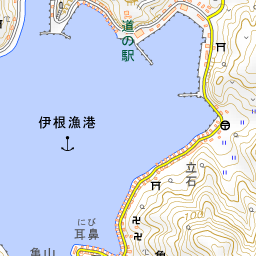
Ine-no-Funaya Boathouses are buildings lined up along Ine Bay in the town of Ine, located in the northeastern part of the Tango Peninsula in northern Kyoto Prefecture. Along the shores of the bay, approximately 230 boathouse structures called Funaya stand eaves to eaves. Surrounded on three sides by mountains, Ine Bay is a calm inlet with small tidal variations, where Aoshima Island floats at the mouth opening to the south.
Funaya were originally built to pull boats out of the sea and protect them from wind, rain, and insects. The first floor houses the boat, while the second floor was once used as a space for drying nets and storing fishing gear. Today, as boats have grown larger, many households moor their vessels in front of the Funaya, but small workboats are still stored inside. It is said that people usually live in the main residential house (omoya) located just across the road on the mountain side.
The entire Ine-ura area was selected as a national Important Preservation District for Groups of Traditional Buildings in 2005 as a fishing village where Funaya, main residential houses, and storehouses built from the late Edo period to the early Showa period remain. It was the first fishing village in Japan to be selected. The rows of Funaya, together with Aoshima Island, Ine Bay, and the surrounding fish-breeding forests (uotsukirin), form a historic landscape.
Points for Viewing and Experiencing
- Viewing Funaya from the Sea: Boarding the Ine Bay Sightseeing Boat or a small sea taxi allows you to view from the water the front of the Funaya and the rows of openings where boats enter and exit, which cannot be seen from land.
- Two Viewpoints: From around Ine-ura Park, you can view the Funaya jutting out along the bay from the front. From Michi-no-Eki Funaya-no-Sato Ine on high ground, you can look down on the Funaya lining the rim of the bay and Aoshima Island floating offshore.
- Seeing Inside a Funaya: Most Funaya are privately owned. If you wish to look inside, you can apply for the Ine-ura walking guided tour organized by the Ine Tourism Association. There are also cafes, restaurants, and private lodging facilities renovated from Funaya.
Walking Tips
The area where the Funaya stand is a place where people still live and fish today. Please be mindful while walking so as not to enter private property by mistake. Because there is frequent boat traffic among the Funaya, visitors are advised to refrain from swimming. Before starting your walk, stopping by the Ine Tourist Information Center located across from Ine-ura Park allows you to check the latest tourist information with guide maps and brochures.


Guides that include this spot (3)
Use asobot while you walk
- See where you are on the map and find spots nearby
- Listen to the guide's audio in course order, one after another (with subtitles)
- Walk to the next spot while following the map
Open on your phone
Scan to open this spot in asobot on your phone.