 ✨ AI Generated
Yayoi Museum
Japanese: 弥生美術館
Bunkyo City, Tokyo
This information was written by AI and may contain mistakes. Please check official sources for opening hours, fees, and other details before you go.
Found a mistake? Let us know with “✏️ Something's wrong” on this spot's screen in asobot →
🎧 Audio guide(1:04)
In short
Yayoi Museum is an art museum located in Yayoi, Bunkyo Ward, that collects works of publishing art and illustrations from the Meiji, Taisho, and Showa periods. It was founded in 1984 by lawyer Kano Takumi to exhibit the collection of illustrator Takabatake Kasho, whose work deeply moved him during his boyhood.
- Permanent Exhibition Room for Takabatake Kasho: The 3rd floor is Kasho's permanent exhibition room, where 50 works are on display at all times.
- Special Exhibitions of Publishing Art: The exhibition rooms on the 1st and 2nd floors host four special exhibitions a year centered around themes such as illustrations, magazines, manga, and supplementary inserts (furoku).
- Takehisa Yumeji Museum: It stands side by side with the Yayoi Museum on the same grounds and is connected to it by a passageway, so visitors can view the exhibitions of both museums.
History and Highlights
Yayoi Museum is an art museum located in Yayoi, Bunkyo Ward. It collects works of publishing art and illustrations from the Meiji, Taisho, and Showa periods. The museum takes its name from the district of Yayoi and is not an institution that exhibits Yayoi-period pottery.
It all began with a single picture. In 1929, nine-year-old Kano Takumi came across the illustration "Farewell to My Hometown!" by Takabatake Kasho, an illustrator who enjoyed immense popularity at the time, and was deeply moved. Thirty-six years later, in the spring of 1965, Kano learned from a magazine article that Kasho was residing at an elder-care home in Akashi, and he wrote a letter conveying his childhood emotions. This sparked a close friendship between the two, leading Kano to build a dedicated "Kasho Room" in his own home. Kasho passed away the following year at the age of 78.
Having acquired the copyrights to Kasho's works, Kano, an attorney, founded this museum on June 1, 1984—18 years after Kasho's death—to exhibit the Kasho collection. Kasho began contributing to Shonen Kurabu (Boy's Club) in 1915 at the age of 27. For the next 20 years or so, he enjoyed tremendous popularity through magazines for boys and girls as well as popular women's magazines. The beautiful boys and girls depicted with his flowing linework captivated people.
Viewing and Experience Highlights
- Permanent Exhibition Room for Takabatake Kasho: The 3rd floor is Kasho's permanent exhibition room. Fifty works are on view at all times, with the theme changing every three months. The museum holds a total of 27,000 items, including a 3,000-piece Kasho collection.
- Special Exhibitions of Publishing Art: In the exhibition rooms on the 1st and 2nd floors, special exhibitions are held four times a year—changing every three months—themed around publishing art such as illustrations, magazines, manga, and supplements, featuring artists active from the late Meiji period through the postwar era. Major artists represented in the collection include Fukiya Koji and Nakahara Junichi.
- Takehisa Yumeji Museum: Opened in 1990 by the same founder, this museum stands alongside on the same grounds and is connected by a passageway. Admission allows visitors to view the exhibitions of both facilities. It houses approximately 3,300 works and archival items by Takehisa Yumeji, with about 200 to 250 items on view at any given time. The Hongo area, where the museum is located, once was home to the Kikufuji Hotel, where Yumeji stayed.
Tips for Exploring
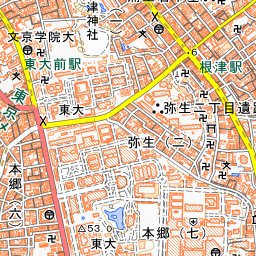
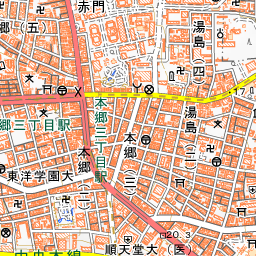
The museum is a 7-minute walk from Exit 1 of either Nezu Station on the Tokyo Metro Chiyoda Line or Todaimae Station on the Namboku Line. It is located diagonally across from the Yayoi Gate of the University of Tokyo. For viewing, after touring the 1st, 2nd, and 3rd floors of the Yayoi Museum, visitors can proceed to the 2nd and 1st floors of the Takehisa Yumeji Museum, which makes a full circuit back to the reception desk. There are no elevators inside the building. A visit takes an average of about 1 hour. Nezu-jinja Shrine is approximately 620 meters to the northwest.






Use asobot while you walk
- See where you are on the map and find spots nearby
- Listen to the guide's audio in course order, one after another (with subtitles)
- Walk to the next spot while following the map
Open on your phone
Scan to open this spot in asobot on your phone.