 ✨ AI Generated
Kyu-Daijo-in Garden
Japanese: 旧大乗院庭園
Nara City, Nara
This information was written by AI and may contain mistakes. Please check official sources for opening hours, fees, and other details before you go.
Found a mistake? Let us know with “✏️ Something's wrong” on this spot's screen in asobot →
🎧 Audio guide(1:10)
In short
Kyu-Daijo-in Garden is the site of the former garden of Daijo-in Temple, which was a monzeki temple (a temple headed by an aristocrat or imperial lineage priest) of Kofuku-ji Temple. Created by Zen'ami, a master landscape gardener of the Muromachi period, it was praised as the "foremost garden in the southern capital (Nara)." Following a long process of research, excavation, and restoration, it was opened to the public in 2010.
- Zen'ami's Garden: It is said to be the only surviving garden by Zen'ami in Japan and is designated as a national Place of Scenic Beauty.
- View of Higashi-oike Pond: The centerpiece of the garden is Higashi-oike Pond. The garden can also be viewed from the cultural hall standing on its south side.
- A Revived Garden: After Daijo-in Temple was abolished during the Meiji period, the grounds were once used for purposes such as tennis courts for the Nara Hotel, but the garden was restored after World War II. The cultural hall houses a diorama depicting the temple and garden as they were in 1463.
History and Highlights
Daijo-in Temple was a monzeki temple of Kofuku-ji Temple. In 1087, the first year of the Kanji era, it was established near what is now the Nara Prefectural Government Office. However, it was burned down in 1180 (the fourth year of the Jisho era) during the Siege of Nara led by Taira no Shigehira, and relocated to its present location the following year.
Most of the temple buildings were lost to a fire in 1451 (the third year of the Hotoku era). Afterward, Jinson, the 20th head priest of Daijo-in Temple, restored the buildings along with the garden. Jinson was the son of regent Ichijo Kaneyoshi and was a monk who remained at Daijo-in Temple for 70 years. Zen'ami was entrusted with creating the garden. Zen'ami was a leading garden designer of the Muromachi period who served the shogun Ashikaga Yoshimasa. The renovated garden was counted among the finest, and Yoshimasa also visited to admire it.
In the early Meiji period, Daijo-in Temple was abolished under the anti-Buddhist movement (haibutsu kishaku). When the Nara Hotel opened in 1909 (Meiji 42), facilities such as tennis courts were built on the garden grounds. Restoration of the garden began after World War II. In 1958, this garden, including its pond, was designated as a national Place of Scenic Beauty. Following decades of research, excavation, and restoration, it was opened to the public in 2010. Said to be the only surviving garden created by Zen'ami in Japan, it is considered very important in the history of Japanese gardens.
Viewing and Experience Points
- Around Higashi-oike Pond: The centerpiece of the garden is Higashi-oike Pond. Excavation work was carried out along the shores of this pond. Zen'ami designed the garden utilizing the pond, bridges, plants, and trees. Try walking around the pond and observing these combinations.
- Diorama in the Cultural Hall: The "Place of Scenic Beauty Daijo-in Garden Cultural Hall" was built at the entrance to the garden. It features a diorama showing how the temple and garden looked in 1463, following Zen'ami's renovation. While the temple buildings no longer survive, historians were able to recreate them thanks to paintings and monks' diaries.
- Seasonal Scenery: Visitors can enjoy the distinct beauty of each season, including cherry blossoms in spring, verdant greenery in summer, autumn foliage, and snowy landscapes in winter.
Tips for Exploring
Take a bus from Kintetsu-Nara Station, get off at "Nara Hotel," and walk for about 2 minutes. The garden can also be viewed from the cultural hall standing on its south side. Viewing the diorama at the cultural hall first to understand what the temple and garden once looked like makes it easier to envision the scenery while walking around the pond. The Hasso-an Teahouse once stood in the garden, but it was moved to the grounds of the Nara National Museum in 1892. The Nara Hotel is about 130 meters to the north, Jurin-in Temple is about 240 meters to the southwest, and Gango-ji Temple is about 280 meters to the west.

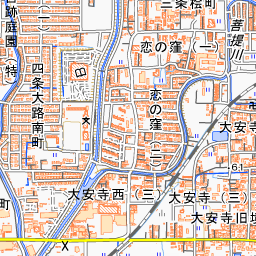
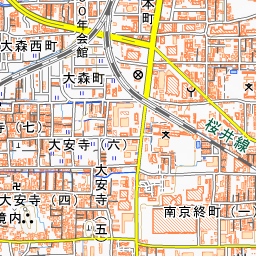
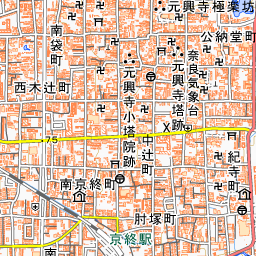
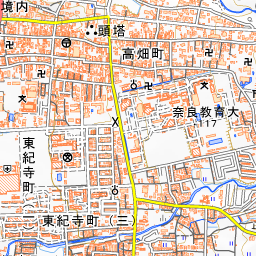
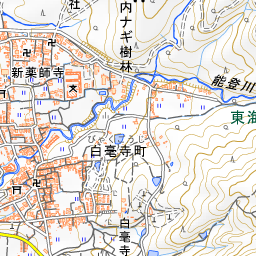
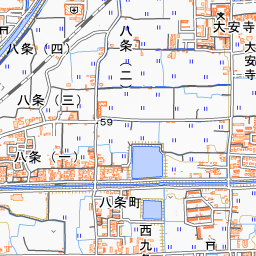
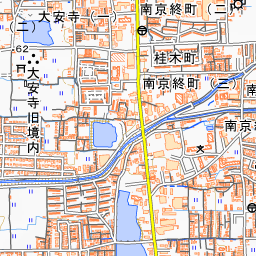
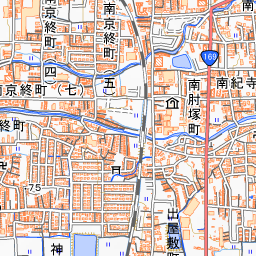
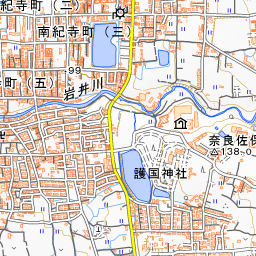
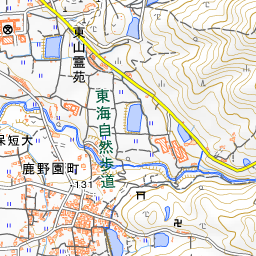
Spot location © OpenStreetMap contributors (ODbL)
Open in Google MapsUse asobot while you walk
- See where you are on the map and find spots nearby
- Listen to the guide's audio in course order, one after another (with subtitles)
- Walk to the next spot while following the map
Open on your phone
Scan to open this spot in asobot on your phone.