 ✨ AI Generated
Kameido Katori-jinja Shrine
Japanese: 亀戸香取神社
Koto City, Tokyo
This information was written by AI and may contain mistakes. Please check official sources for opening hours, fees, and other details before you go.
Found a mistake? Let us know with “✏️ Something's wrong” on this spot's screen in asobot →
🎧 Audio guide(0:59)
In short
Kameido Katori-jinja Shrine is a shrine located in Kameido, Koto City. It is said to have originated in 665 (the fourth year of Emperor Tenji's reign) when Fujiwara no Kamatari landed a boat at this location and prayed for safe travels. Following the historical episode where Tawara Toda Hidesato prayed here for victory during the Rebellion of Taira no Masakado and successfully quelled the uprising, it is now revered as a "deity for the promotion of sports," visited by people wishing for victory in competitions.
- Kachiya-sai Festival: Every year on May 5, a warrior procession clad in armor and helmets marches through the streets of Kameido while raising battle cries.
- Kameido Seven Lucky Gods: Among the deities of the Kameido Seven Lucky Gods pilgrimage, Ebisu and Daikoku are enshrined here.
- Mikoshi in Olympic Years: The procession of the main shrine portable shrine (honsha mikoshi) takes place once every four years, in the years when the Summer Olympic Games are held.
History and Highlights
The enshrined deity of Kameido Katori-jinja Shrine is Futsunushi no Kami. Revered as a guardian deity of the nation, this god is regarded as an ancestral deity of military commanders.
According to the shrine's history, it began in 665 (the fourth year of Emperor Tenji's reign) when Fujiwara no Kamatari, on his way down to the eastern provinces, landed a boat at this place—then called "Kame no Shima" (Turtle Island)—and prayed for a safe journey. It is also said to have begun when Kamatari dedicated a single sword and invited the deity Katori Okami to be enshrined here.
During the Tenkei Rebellion in the Heian period, Tawara Toda Hidesato, an imperial envoy sent to defeat Taira no Masakado, secluded himself at this shrine to pray for victory and succeeded in putting down the rebellion. As a token of gratitude, Hidesato offered a bow and arrow, naming it "Kachiya" (Winning Arrow).
Subsequently, the shrine is said to have been revered by numerous renowned military commanders, including Minamoto no Yoritomo and Tokugawa Ieyasu. Because of this background, many people now visit this shrine as a "deity for the promotion of sports" to pray for victory in sports meets and matches.
Viewing and Experience Points
- Kachiya-sai Festival: A festival associated with the episode of Hidesato, held every year on May 5. Joined by shrine parishioners in armor, helmets, and jinbaori (battle surcoats), as well as local elementary school marching bands, a warrior procession of about 200 people marches about two kilometers while shouting the battle cry "Ei, Ei, Oh!" Upon arriving at the shrine, they raise the battle cry once more on the stairs in front of the main sanctuary (honden) and dedicate the Kachiya inside the main sanctuary.
- Ebisu and Daikoku of the Kameido Seven Lucky Gods: The Kameido Seven Lucky Gods pilgrimage is a circuit revived in 1978. Among the deities, Ebisu and Daikoku are enshrined at this shrine.
- Mikoshi and Kameido Daikon: At the annual grand festival in August, the procession of the main shrine portable shrine (honsha mikoshi) is held once every four years in the year of the Summer Olympic Games. On March 10, there is a harvest festival where Kameido daikon radishes harvested at local Kameido elementary and junior high schools are dedicated to the shrine.
Walking Tips
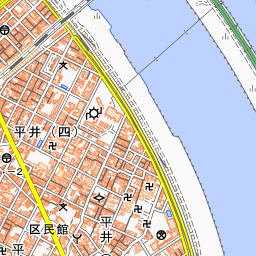
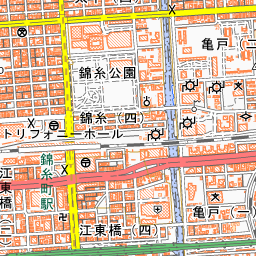
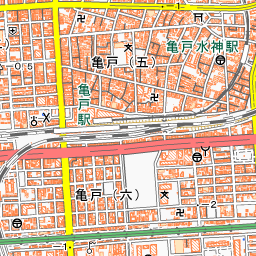
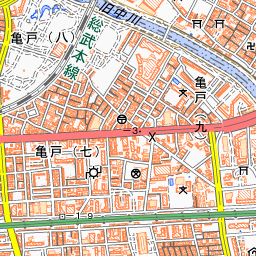
It is about a 10-minute walk from the North Exit of Kameido Station on the JR Sobu Line and the Tobu Kameido Line. Extending from in front of the shrine gate is a shopping street that was renamed "Kameido Katori Kachiun Shopping Street" in 2011. Within the shrine grounds, there is also the "Kachi-ishi" (Victory Stone), which is introduced as a power spot. About 470 meters to the southwest lies Kameido Tenjin-sha Shrine, renowned for its plum and wisteria blossoms.


Use asobot while you walk
- See where you are on the map and find spots nearby
- Listen to the guide's audio in course order, one after another (with subtitles)
- Walk to the next spot while following the map
Open on your phone
Scan to open this spot in asobot on your phone.