 ✨ AI Generated
Kanda Myojin Shrine
Japanese: 神田明神
Chiyoda City, Tokyo
This information was written by AI and may contain mistakes. Please check official sources for opening hours, fees, and other details before you go.
Found a mistake? Let us know with “✏️ Something's wrong” on this spot's screen in asobot →
🎧 Audio guide(1:07)
In short
Kanda Myojin Shrine, officially known as Kanda Shrine, is the guardian deity of 108 neighborhood associations, including Kanda, Nihonbashi, and Akihabara. According to shrine tradition, it was founded in the second year of Tenpyo (730). Throughout the Edo period, it was revered deeply by everyone from the shogunate to the common people of Edo as the "General Guardian of Edo."
- Vermilion Main Hall: A gongen-zukuri style hall constructed of steel-framed reinforced concrete, completed in 1934 (Showa 9), and a Registered Tangible Cultural Property of Japan.
- Zuishinmon Gate: A gate built entirely of Japanese cypress (hinoki) reconstructed in 1975 (Showa 50), decorated with carvings of the Four Divine Beasts on its exterior.
- Daikoku-sama and Ebisu-sama: Features a 6.6-meter-tall stone statue of Daikoku-sama and a statue of Ebisu-sama guarded by marine creatures.
History and Highlights
The official name of Kanda Myojin Shrine is Kanda Shrine. According to shrine tradition, Makanda no Omi of the Izumo clan founded the shrine in the second year of Tenpyo (730) around the present-day Masakadozuka in Otemachi.
Three deities are enshrined here. The First Shrine enshrines Ohnamuchi-no-Mikoto (Daikoku-sama), the deity of matchmaking. The Second Shrine enshrines Sukunahikona-no-Mikoto (Ebisu-sama), the deity of prosperous business. The Third Shrine enshrines Taira no Masakado-no-Mikoto, the deity of warding off evil and disasters. Lord Masakado was enshrined in the second year of Enkyo (1309); while his spirit was temporarily transferred to a subordinate shrine in 1874 (Meiji 7), it was re-enshrined in the main sanctuary in 1984 (Showa 59).
According to the shrine's origins, during the Battle of Sekigahara in the fifth year of Keicho (1600), victory prayers were offered for the battle of Tokugawa Ieyasu. Because victory was achieved on September 15, the day of the Kanda Matsuri Festival, the Tokugawa shogunate ordered that this festival be celebrated without interruption. In the second year of Genna (1616), the shrine was moved to its current location to serve as the protector of the Edo Castle's omote-kimon (the front demon gate).
Points for Appreciation and Experience
- Vermilion Main Hall: After being destroyed in the Great Kanto Earthquake, this gongen-zukuri hall was completed in 1934 (Showa 9). Designed by Ito Chuta and others using steel-framed reinforced concrete entirely lacquered in vermilion—which was groundbreaking at the time—it incorporates ingenious designs to resemble wooden architecture. Having survived the Great Tokyo Air Raid, it was registered as a Registered Tangible Cultural Property of Japan in 2003 (Heisei 15).
- Zuishinmon Gate: Rebuilt entirely of hinoki cypress in 1975 (Showa 50) to commemorate the 50th anniversary of Emperor Showa's accession to the throne. The exterior is adorned with carvings of the Four Divine Beasts (Suzaku the Vermilion Bird, Byakko the White Tiger, Seiryu the Azure Dragon, and Genbu the Black Tortoise), while the interior features carvings such as the "White Hare of Inaba." The gold leaf "Tied Horse" on the second level originates from Lord Taira no Masakado.
- Statues of Daikoku-sama and Ebisu-sama: The statue of Daikoku-sama is 6.6 meters tall and was erected in 1976 (Showa 51) as the largest stone statue of Daikoku in Japan. Next to it, Ebisu-sama is depicted crossing the open sea, protected by dolphins, sea bream, and flying fish.
Strolling Tips
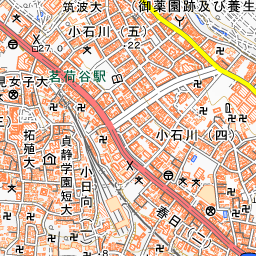
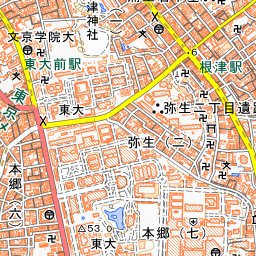
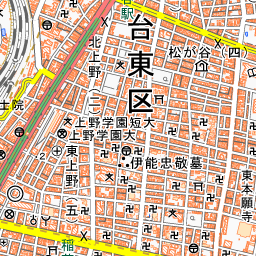
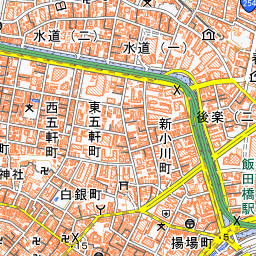
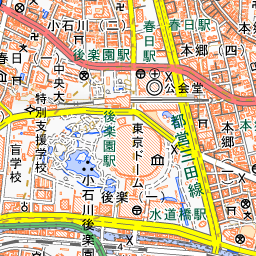
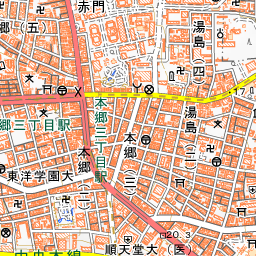
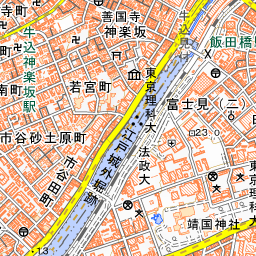
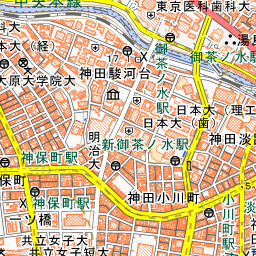
The shrine is a 5-minute walk from the Hijiri Bridge Exit of Ochanomizu Station and from Suehirocho Station, and a 7-minute walk from the Electric Town Exit of Akihabara Station. The guardian lion-dogs (komainu) on the grounds are extremely rare because they face straight forward. The stone stairway known as Otokozaka Slope was dedicated by four machibikeshi (town fire brigades) of Kanda during the Tenpo era. The Cultural Exchange Center EDOCCO houses a sacred talisman issuance counter, restaurants, and souvenir shops. The Ritual Hall and Museum is a separate building, displaying Kanda Matsuri materials on the second floor and sacred treasures on the third floor. The Kanda Matsuri Festival is held once every two years in May. Akihabara is about 630 meters to the southeast, and Nikolai-do Cathedral is about 480 meters to the southwest.





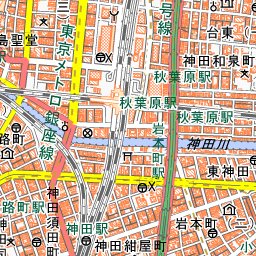

Spot location © OpenStreetMap contributors (ODbL)
Open in Google MapsGuides that include this spot (1)
Use asobot while you walk
- See where you are on the map and find spots nearby
- Listen to the guide's audio in course order, one after another (with subtitles)
- Walk to the next spot while following the map
Open on your phone
Scan to open this spot in asobot on your phone.