 ✨ AI Generated
Kyoto National Museum
Japanese: 京都国立博物館
Higashiyama Ward, Kyoto
This information was written by AI and may contain mistakes. Please check official sources for opening hours, fees, and other details before you go.
Found a mistake? Let us know with “✏️ Something's wrong” on this spot's screen in asobot →
🎧 Audio guide(1:11)
In short
The Kyoto National Museum opened in May 1897 (Meiji 30) as the Imperial Museum of Kyoto and received its current name in 1952 (Showa 27). Its collection mainly centers on cultural properties associated with Kyoto, and together with items on deposit, the museum houses more than 14,600 works, many of which have been handed down through shrines, temples, and old families.
- Meiji Kotokan and Main Gate: A brick Western-style building designed by Katayama Tokuma and completed in 1895 (Meiji 28). In 1969 (Showa 44), the main building, Main Gate, ticket booth, and adjoining side walls were designated as National Important Cultural Properties
- Heisei Chishinkan: Designed by architect Taniguchi Yoshio, it opened in 2014 (Heisei 26). Works from the collection are shown in rotating exhibitions, and special exhibitions are also held several times a year
- Outdoor Garden Exhibits: The grounds feature Rodin's "The Thinker," cast early among the many versions that were made, the stone wall of Hoko-ji Temple (a National Historic Site), the Kamakura-period Umamachi Thirteen-Story Stone Pagoda, and Tan'an, a teahouse
History and Highlights
The Kyoto National Museum opened in May 1897 (Meiji 30) as the Imperial Museum of Kyoto. This was the same year that the Ancient Temples and Shrines Preservation Law, the first law concerning the protection of cultural properties, was enacted. Later renamed the Imperial Household Museum of Kyoto and the Kyoto Onshi Museum, it was transferred to the national government in 1952 (Showa 27) and received its current name. Its collection mainly centers on cultural properties associated with Kyoto, which was the heart of Japan from the Heian period to the Edo period, and many of these items have been handed down through shrines, temples, and old families. Together with items on deposit, the museum houses more than 14,600 works.
Two exhibition halls from the Meiji and Heisei eras stand on the museum grounds. The brick Meiji Kotokan was designed by Katayama Tokuma, an architect of the Imperial Household Ministry known as the "court architect," and was completed in 1895 (Meiji 28). The Heisei Chishinkan was designed by architect Taniguchi Yoshio and opened in 2014 (Heisei 26).
Highlights for Appreciation and Experience
- Heisei Chishinkan: Featuring linear exhibition spaces that incorporate traditional Japanese spatial composition, it allows visitors to leisurely enjoy the essence of Kyoto culture, focusing on the museum's collection. Works from the collection are shown in rotating exhibitions, and special exhibitions are also held several times a year. Sunlight pours into the spacious, open lobby.
- Meiji Kotokan and Main Gate: This Western-style building incorporates French Renaissance and Baroque styles while expressing Japanese lyricism and delicate sensibility. The wall that runs from the Main Gate facing Yamato-oji Street to the South Gate facing Shichijo Street was built around the same time. In 1969 (Showa 44), the main building, Main Gate, ticket booth, and adjoining side walls were designated as National Important Cultural Properties.
- Outdoor Garden Exhibits: Near the fountain stands Rodin's "The Thinker," which was cast early among the many versions that were made. The grounds also feature the stone wall of Hoko-ji Temple founded by Toyotomi Hideyoshi (a National Historic Site), the Kamakura-period Umamachi Thirteen-Story Stone Pagoda, stone Buddhas, and foundation stones, as well as Tan'an, a teahouse built in the sukiya style.
Tips for Exploring
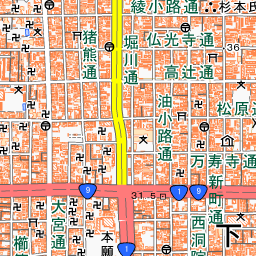
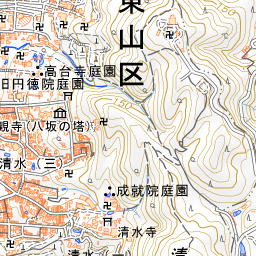
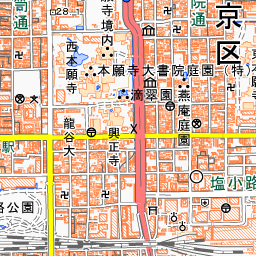
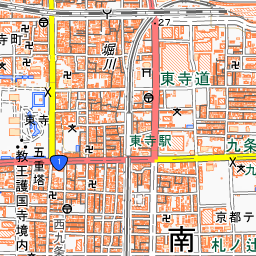
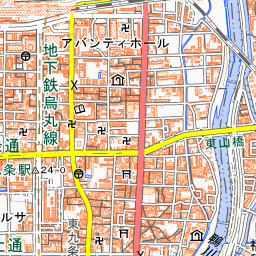
The museum is about a 7-minute walk east from Keihan Railway's Shichijo Station, or just steps away from the Kyoto City Bus stop "Hakubutsukan Sanjusangendo-mae." During special exhibition periods, the permanent collection galleries (The Collection Galleries) are closed. Sanjusangendo Temple is located about 200 meters to the south, and Chishaku-in Temple is about 400 meters to the southeast, allowing visitors to tour them together.


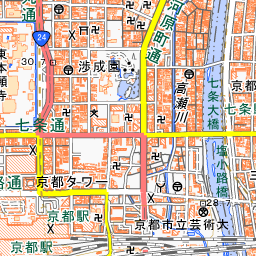
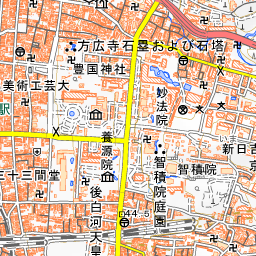
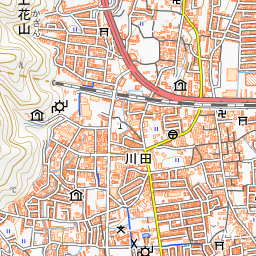
Spot location © OpenStreetMap contributors (ODbL)
Open in Google MapsGuides that include this spot (1)
Use asobot while you walk
- See where you are on the map and find spots nearby
- Listen to the guide's audio in course order, one after another (with subtitles)
- Walk to the next spot while following the map
Open on your phone
Scan to open this spot in asobot on your phone.