 ✨ AI Generated
Umeda Sky Building Kuchu Teien Observatory
Japanese: 梅田スカイビル 空中庭園展望台
Kita Ward, Osaka
This information was written by AI and may contain mistakes. Please check official sources for opening hours, fees, and other details before you go.
Found a mistake? Let us know with “✏️ Something's wrong” on this spot's screen in asobot →
🎧 Audio guide(1:02)
In short
The world's first connected high-rise building, with two skyscrapers standing about 50 meters apart connected at their top 39th and 40th floors. Completed in 1993, it was selected in 2008 as one of the "Top 20 Buildings Around the World," and being featured in the British newspaper THE TIMES made it a talking point overseas as well. The Kuchu Teien Observatory at the very top consists of three levels: the 39th floor, the 40th floor, and the rooftop.
- Aerial Escalator: Visitors ascend from the 35th to the 39th floor via a tube-shaped, see-through escalator that stretches about 40 meters across the open space between the two towers
- Rooftop Sky Walk: An observation deck 173 meters above ground, open 360 degrees. The evening view from here has been selected as one of "Japan's Top 100 Sunsets," and only on a limited number of days twice a year, in February and October, can one see the sun setting in the center of the Akashi Kaikyo Bridge
- Lumi Sky Walk: A luminous pathway on the rooftop corridor, where phosphorescent stones depict patterns inspired by the cosmos, such as nebulae, shooting stars, and planets
History and Highlights
Umeda Sky Building is the world's first connected high-rise building, featuring two skyscrapers standing about 50 meters apart that are connected at their top 39th and 40th floors. Designed by architect Hara Hiroshi and Atelier Φ Architectural Research Institute, it was completed in 1993. At 173 meters tall, it was the tallest building in western Japan at the time of its completion. The sky is reflected in the glass curtain wall, making the connecting section named the "Floating Garden" (Kuchu Teien) appear to float in midair. In 2008, it attracted international attention after being featured in the British newspaper THE TIMES alongside historical structures like the Sagrada Família and the Parthenon as one of the "Top 20 Buildings Around the World."
At the very top is the Kuchu Teien Observatory, consisting of three levels: the 39th floor, the 40th floor, and the rooftop. This Kuchu Teien section was assembled on the ground and then lifted into place with wires.
Viewing and Experience Highlights
- Aerial Escalator: Visitors ascend from the 35th to the 39th floor via a tube-shaped, see-through escalator. Stretching about 40 meters across the open space between the two towers, it offers views of the ground far below. It is also popular as a photo spot.
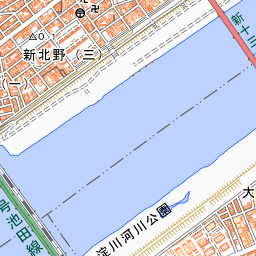
- Rooftop Sky Walk: The open-air rooftop, 173 meters above ground, is a 360-degree observation deck where visitors can feel the breeze. To the north are the Yodo River and the cityscape stretching toward distant mountains, while Osaka Bay can be seen to the west. Across the western sky lie Awaji Island, the Akashi Kaikyo Bridge, and the Rokko Mountains; the evening view from here has been selected as one of "Japan's Top 100 Sunsets." Only on a limited number of days twice a year, in February and October, can one see the sun setting directly in the center of the Akashi Kaikyo Bridge.
- Lumi Sky Walk: This luminous pathway is located on the rooftop corridor. Phosphorescent stones depict patterns inspired by the cosmos—such as nebulae, shooting stars, and planets—allowing visitors to feel as if they are strolling among the starry skies.
Walking Tips
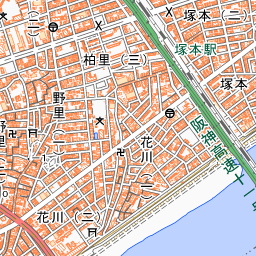
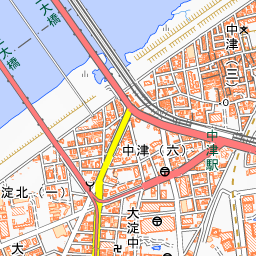
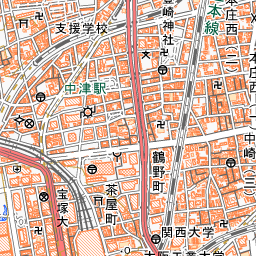
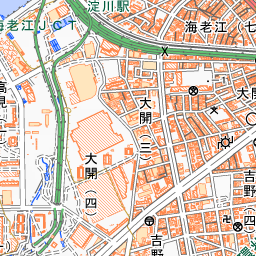
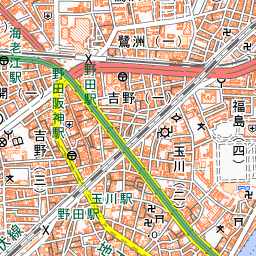
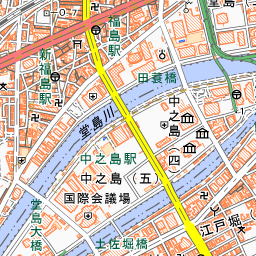
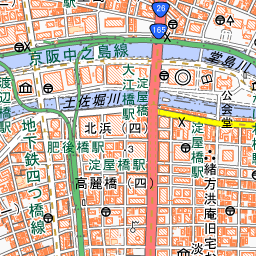
It is about a 7-minute walk from JR Osaka Station, and about a 9-minute walk from Hankyu Osaka-umeda Station and Umeda Subway Station. In the building's basement is Takimi Koji, a retro dining street reminiscent of nostalgic times. Just to the northeast is the "Wall of Hope," a plant-covered wall designed by architect Ando Tadao, making the area well-suited for an architectural tour. Comparing views of Umeda by also visiting Grand Front Osaka, located about 410 meters east-southeast, and the HEP FIVE Ferris Wheel, located about 890 meters east, is also recommended.
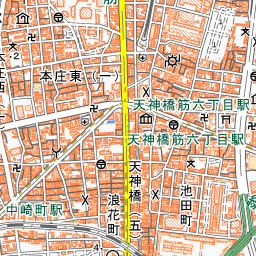
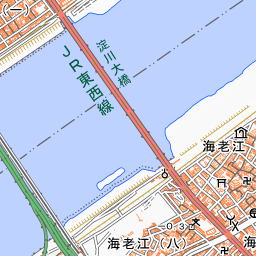
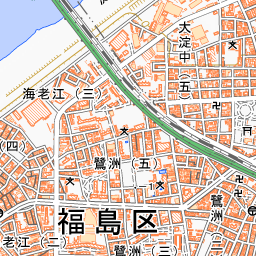
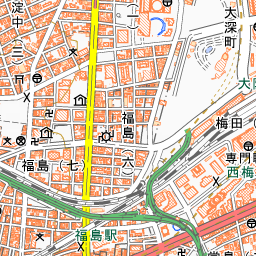


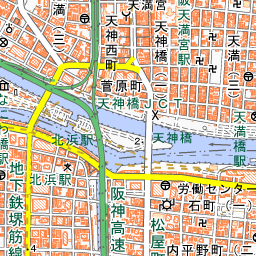
Spot location © OpenStreetMap contributors (ODbL)
Open in Google MapsGuides that include this spot (1)
Use asobot while you walk
- See where you are on the map and find spots nearby
- Listen to the guide's audio in course order, one after another (with subtitles)
- Walk to the next spot while following the map
Open on your phone
Scan to open this spot in asobot on your phone.