 ✨ AI Generated
Mt. Chibusa
Japanese: 乳房山
Ogasawara Village, Tokyo
This information was written by AI and may contain mistakes. Please check official sources for opening hours, fees, and other details before you go.
Found a mistake? Let us know with “✏️ Something's wrong” on this spot's screen in asobot →
🎧 Audio guide(1:03)
In short
Mt. Chibusa is a 463-meter-high mountain towering in the center of Hahajima Island, and it is the highest peak on Hahajima Island. The mountain's forest is a treasure trove of endemic plants. Walking along the well-maintained trail, you can encounter plants, birds, and snails unique to Hahajima Island.
- A treasure trove of endemic plants: Endemic plants such as Hahajima no botan (Melastoma tetramerum) and Wadannoki (Dendrocacalia crepidifolia) grow in forests, including the moist tall-tree forest.
- Creatures you can meet on Hahajima Island: You may encounter the Bonin white-eye (Meguro) along the trail, and near the summit, there are also snails that are believed to have gone extinct on Chichijima Island.
- Views from the summit: From the observation deck at the summit, you can overlook the forest spreading across the eastern side of Hahajima Island and the blue sea. On clear days, you can also see Chichijima Island.
History & Highlights
Mt. Chibusa is a 463-meter-high mountain soaring in the center of Hahajima Island. It is the highest peak on Hahajima Island and the highest mountain among the inhabited islands of the Ogasawara Islands. Forests with diverse vegetation, including moist tall-tree forests, spread across the area, making it a treasure trove of endemic plants.
Near the summit of Mt. Chibusa, Hahajima no botan, which grows naturally only on Hahajima Island, can often be seen. It blooms with pale pink, five-petaled flowers. Wadannoki, found only in the Hahajima Island Group, is a tree that can grow up to 5 meters tall despite being part of the aster family (Asteraceae).
The land snails that were key to the World Natural Heritage inscription have almost become extinct on Chichijima Island, but they can still be seen on Mt. Chibusa. The arboreal snails Ogasawara okamonoaragai and Tensuji okamonoaragai are both about 3 centimeters in length. They are thought to have gone extinct on Chichijima Island, and on Hahajima Island, they can be seen near the summit of Mt. Chibusa and in Sekimon.
Remnants of war also remain within the forest. On Mt. Chibusa, air-raid shelters and bomb craters from the Pacific War remain, along with a rusted gun battery that was actually used.
Viewing & Experiencing Highlights
- Giant banyan tree: Shortly after starting the climb, an immense banyan (gajumaru) tree too large to fit in your field of view appears. Its trunks and roots form a tunnel through which you pass.
- Forest birds and snails: On the trail to the summit, you may encounter the Bonin white-eye (Meguro), a bird found only in the Hahajima Island Group. Because endemic snails are often on the trail stairs and path, watch your step so as not to step on them.
- Summit observation deck: There is an observation deck at the summit, offering sweeping views of the forest and blue sea stretching across the eastern side of Hahajima Island. On clear days, Chichijima Island can also be viewed.
Visiting Tips
The trailhead is located behind the Motochi settlement, where shops and inns gather, and is about a 10-minute walk from Oki Port. From there, it takes about 2 hours to hike the trail to the summit. Although there are slopes, the trail is well-maintained, allowing you to climb without a guide. A full loop along the trail takes about 4 hours on foot. Since there are steep stairs and slippery spots, be sure to set out with proper hiking gear. Humidity is high year-round and you will sweat easily, so bring plenty of drinking water. Because there are no lights along the path, plan your trek so you can return before sunset. At the trailhead, items such as sprays for the soles of your shoes are provided. Use them when entering and descending the mountain to brush off seeds attached to your shoe soles and clothing.

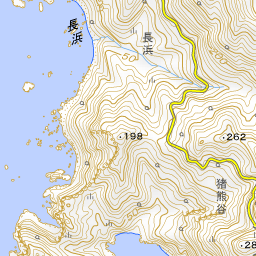
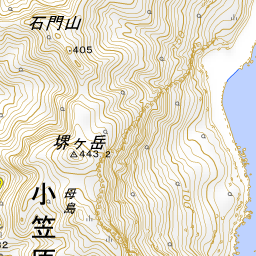

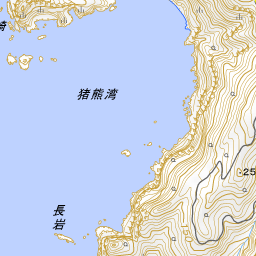
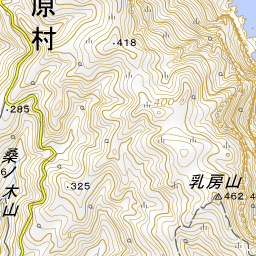


Spot location © OpenStreetMap contributors (ODbL)
Open in Google MapsGuides that include this spot (1)
Use asobot while you walk
- See where you are on the map and find spots nearby
- Listen to the guide's audio in course order, one after another (with subtitles)
- Walk to the next spot while following the map
Open on your phone
Scan to open this spot in asobot on your phone.