 ✨ AI Generated
Fukuchiyama City Zoo
Japanese: 福知山市動物園
Fukuchiyama, Kyoto
This information was written by AI and may contain mistakes. Please check official sources for opening hours, fees, and other details before you go.
Found a mistake? Let us know with “✏️ Something's wrong” on this spot's screen in asobot →
🎧 Audio guide(0:51)
In short
A small zoo located within Sandan-ike Park, known as the only zoo in the Kita-Kinki region. It began in 1951 with three Formosan rock macaques that Fukuchiyama Shinkin Bank, as it was then, donated to the city, and it opened at its current location in May 1978 as Fukuchiyama City Zoo. Its appeal lies in a warm, home-like atmosphere where visitors are close to the animals.
- Animal Interaction: Visitors can enjoy interacting with the animals, including feeding experiences. When feeding the animals, please follow the zoo's regulations; feeding them food brought from outside is not permitted
- Red Pandas and Lar Gibbons: In addition to charming red pandas and lar gibbons (white-handed gibbons), small animals such as rabbits also reside here and are popular among children
- "Miwa" and "Uribo": In 2010, "Miwa," an infant monkey orphaned by an accident, gained wide attention for riding on the back of "Uribo," a wild boar piglet, and that year the zoo welcomed 190,000 visitors, 130,000 more than in typical years
History and Highlights
Fukuchiyama City Zoo is a small zoo located within Sandan-ike Park, which spreads across a hill approximately 3 kilometers northeast of the city center. Known as the only zoo in the Kita-Kinki region, its appeal lies in a warm, welcoming, and home-like atmosphere where visitors are close to the animals.
The history of the zoo dates back to 1951. At that time, Fukuchiyama Shinkin Bank donated three Formosan rock macaques to the city, and the city built a monkey enclosure in downtown Goryo Park. Later, seeking to create a facility that more people could enjoy, the zoo was relocated to the spacious Sandan-ike Park, opening at its current location in May 1978 as Fukuchiyama City Zoo.
In 2010, an orphaned infant monkey named "Miwa" gained wide attention for riding on the back of "Uribo," a wild boar piglet of the same age. Media from both Japan and abroad flocked to cover the pair, and that year the zoo welcomed 190,000 visitors, an increase of 130,000 compared to typical years.
Viewing and Experience Highlights
- Animal Interaction: While by no means a large zoo, its defining feature is the chance to interact closely with the animals, including feeding experiences. When feeding the animals, please follow the zoo's regulations. Feeding them food brought from outside is not permitted.
- Red Pandas and Lar Gibbons: In addition to charming red pandas and lar gibbons (white-handed gibbons), small animals such as rabbits also reside here and are popular among children.
- Home-like Atmosphere: With a great reputation for close proximity between people and animals, it is a zoo that draws repeat visitors even from distant areas such as the Keihanshin region.
Tips for Visiting
From Fukuchiyama Station, it takes about 10 minutes by bus or car; get off at the "Sandan-ike Park" bus stop. Pets, such as dogs and cats, are not permitted inside the zoo. Sandan-ike Park also features a children's science museum, an urban greening botanical garden, and walking paths around the pond, allowing families to enjoy a full day by exploring these along with the zoo. For details on the park's pond and open spaces, please also refer to the Sandan-ike Park guide.
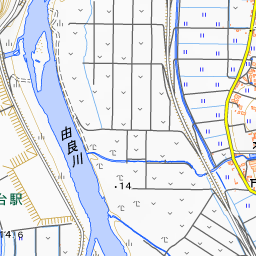
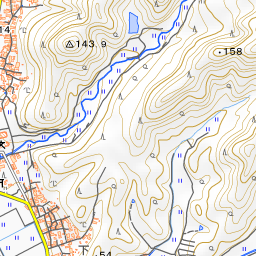

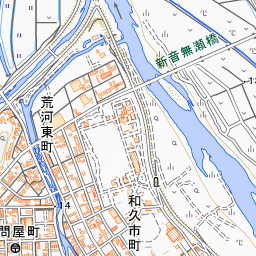
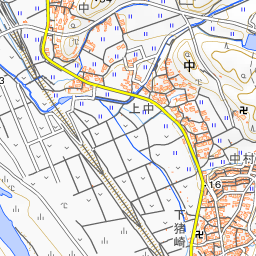
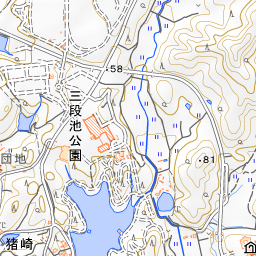
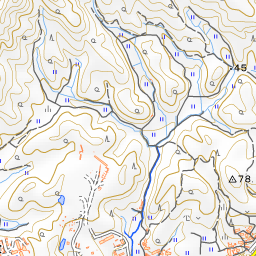
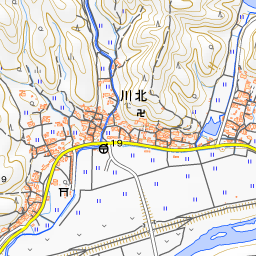
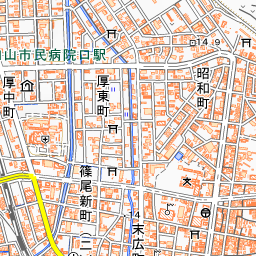
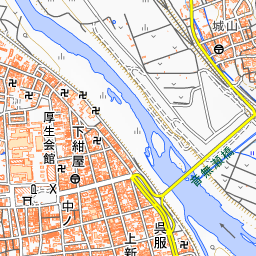
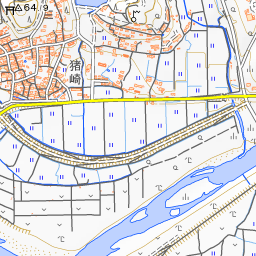
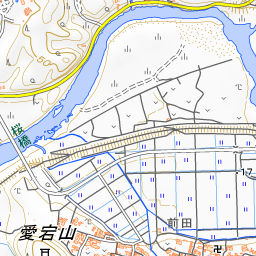
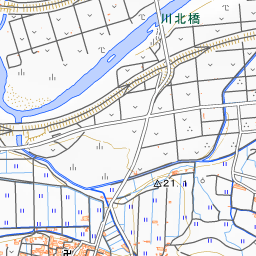
Spot location © OpenStreetMap contributors (ODbL)
Open in Google MapsGuides that include this spot (1)
Use asobot while you walk
- See where you are on the map and find spots nearby
- Listen to the guide's audio in course order, one after another (with subtitles)
- Walk to the next spot while following the map
Open on your phone
Scan to open this spot in asobot on your phone.