 ✨ AI Generated
Koriyama Castle Ruins
Japanese: 郡山城跡
Yamatokoriyama, Nara
This information was written by AI and may contain mistakes. Please check official sources for opening hours, fees, and other details before you go.
Found a mistake? Let us know with “✏️ Something's wrong” on this spot's screen in asobot →
🎧 Audio guide(1:07)
In short
Koriyama Castle Ruins are the remains of an early modern castle located at the southern tip of the Nishinokyo hills in the Nara Basin. Toyotomi Hidenaga, the younger brother of Toyotomi Hideyoshi, expanded the castle significantly, and from the middle of the Edo period, it became the castle of the Yanagisawa clan. It is known for having a stone Jizo statue built upside down into the stone wall of the tenshudai (keep base). It has also long been a famous spot for cherry blossoms.
- The Upside-Down Jizo: Stone materials brought from other places, such as the upside-down Jizo and foundation stones from the Rajomon Gate, are used in the stone wall of the tenshudai.
- Reconstructed Ote-mon Gate: In 1983, the Ote-mon Gate was reconstructed in a form close to what it was when built by Hidenaga.
- View from the Tenshudai: You can look out in the distance toward Mt. Wakakusa, Todai-ji Temple, Yakushi-ji Temple, Mt. Ikoma, Mt. Kongo, and more.
History and Highlights
Koriyama Castle was an early modern castle built at the southern tip of the Nishinokyo hills in the Nara Basin. Castle construction began in 1580 (Tensho 8) when Tsutsui Junkei relocated from Tsutsui to Koriyama. In August 1585 (Tensho 13), Toyotomi Hidenaga, the younger brother of Toyotomi Hideyoshi, entered the castle. As a daimyo with a domain of one million koku covering the three provinces of Kii, Izumi, and Yamato, Hidenaga greatly expanded the castle. The tall stone walls were built using the rugged nozurazumi (uncut natural stone stacking) technique, incorporating temple foundation stones, garden stones, gorinto pagodas, and stone Jizo statues. Hidenaga also summoned merchants from Nara and Sakai and established a system of town self-governance called "hakomoto."
Mashita Nagamori, who entered after Hidenaga's death, completed an outer moat with a circumference of about 5.5 kilometers. In 1724 (Kyoho 9), Yanagisawa Yoshisato entered from Kofu, and the Yanagisawa clan ruled for six generations over 145 years. In 1873 (Meiji 6), all the castle buildings were sold by auction. In an archaeological excavation conducted in 2014 prior to repairing the stone walls of the tenshudai, rows of foundation stones and gold-leaf tiles were found, revealing that an elusive castle keep once existed. On November 10, 2022 (Reiwa 4), the honmaru (main bailey), inner moat, and other areas were designated as a National Historic Site.
Points for Appreciation and Experience
- The Upside-Down Jizo of the Tenshudai: An upside-down stone Jizo statue is embedded within the stone wall supporting the tenshudai. There is also a stone said to be a foundation stone from the Rajomon Gate, allowing visitors to tour the site while wondering where the various stones were brought from.
- Ote-mon Gate and Turrets: Through a citizens' movement, the Ote-mon Gate was reconstructed in 1983 in a form close to how it was built by Hidenaga. Following that, the Ote-mukai-yagura turret, Ote-higashisumi-yagura turret, and tamon-yagura turrets were also rebuilt through 1987.
- View from the Tenshudai: From the tenshudai, you can see Mt. Wakakusa as well as World Heritage sites such as Kasugayama Primeval Forest, Todai-ji Temple, and Yakushi-ji Temple. You can also view Mt. Ikoma, the Yata Hills, Mt. Katsuragi, and Mt. Kongo in the distance.
Walking Tips
It is a 7-minute walk from Kintetsu-Koriyama Station. As you proceed inside the castle grounds from the front entrance of the castle, the Ote-mukai-yagura turret and the Ote-mon Gate come into view. Pass through the gate and ascend to the tenshudai of the honmaru, where you can enjoy the upside-down Jizo in the stone wall and the view from above. In the honmaru, there is Yanagisawa Shrine, which enshrines Yanagisawa Yoshiyasu. At the Koriyama Castle Information Center located in the Midorikuruwa, you can view exhibits about Koriyama Castle.
The castle ruins have long been famous for cherry blossoms, and in spring, about 800 cherry trees known as "Gotenzakura" adorn the castle. About 1.1 kilometers to the south is the Koriyama Goldfish Museum, which can be combined with a walk through the town of goldfish.
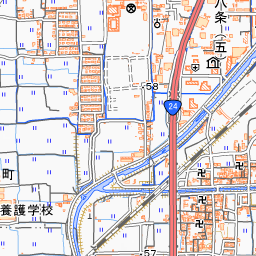
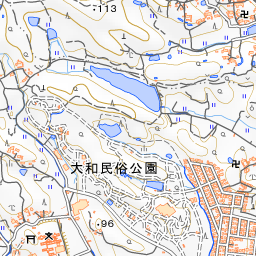
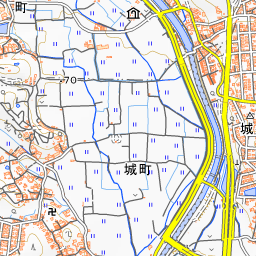
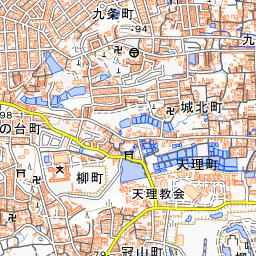
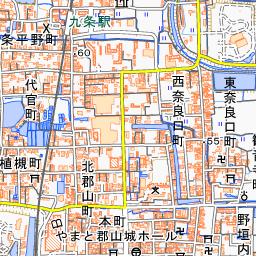

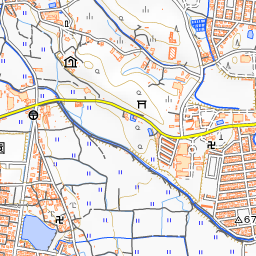
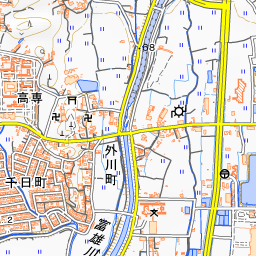
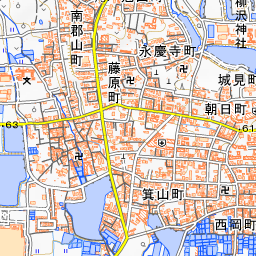
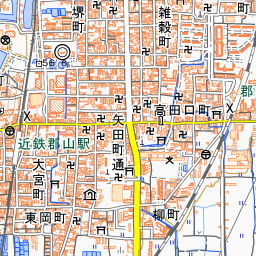
Spot location © OpenStreetMap contributors (ODbL)
Open in Google MapsGuides that include this spot (1)
Use asobot while you walk
- See where you are on the map and find spots nearby
- Listen to the guide's audio in course order, one after another (with subtitles)
- Walk to the next spot while following the map
Open on your phone
Scan to open this spot in asobot on your phone.