 ✨ AI Generated
Fukuchiyama Castle
Japanese: 福知山城
Fukuchiyama, Kyoto
This information was written by AI and may contain mistakes. Please check official sources for opening hours, fees, and other details before you go.
Found a mistake? Let us know with “✏️ Something's wrong” on this spot's screen in asobot →
🎧 Audio guide(1:10)
In short
A castle that originated around 1579, when Akechi Mitsuhide, who had pacified the Tamba region, expanded and renovated the fortification previously known as Yokoyama Castle and renamed it Fukuchiyama Castle. With the Castle Abolition Edict of 1873, most of the structures were lost, but driven in part by a citizen-led "One Roof Tile Movement," a three-tier, four-story main keep and a two-tier small keep were reconstructed in 1986. The castle is the only one in the Kita-Kinki region with a castle keep.
- Stone Walls with Repurposed Stones: More than 500 stone monuments, including gorinto (five-ring towers) and hokyointo pagodas, were incorporated as repurposed stones in the nozura-zumi stone walls stretching from the tenshudai (keep foundation) to the honmaru (main bailey)
- Toyoiwa-no-i Well: Located east of the castle keep, the Toyoiwa-no-i Well measures 2.5 meters in diameter and 50 meters in depth, making it one of the deepest castle wells in Japan
- Castle Keep and Lookout: Inside the keep, historical materials related to Fukuchiyama Castle, the Akechi clan, and the Kutsuki clan are on display, and from the lookout on the top floor, visitors can take in views of the meandering Yura River, the castle town below, and Mt. Oe in the distance
History and Highlights
Fukuchiyama Castle originated with a fortress built around 1579 by Akechi Mitsuhide, who had pacified the Tamba region. Mitsuhide expanded and renovated the fortification previously known as Yokoyama Castle, renaming it Fukuchiyama Castle. Following its construction, he appointed his son-in-law, Akechi Hidemitsu, as castle warden (jodai) to oversee the governance of the area. The chant "Dokkoise" heard in the Fukuchiyama Ondo folk dance is said to have originated from the rhythmic shouts of the local populace as they carried building materials during the construction of the castle.
Even after Mitsuhide's fall, successive castle lords continued to renovate and expand the fortress, ultimately completing it as a flatland-mountain castle centered on a hill extending toward the Yura River. Following the entry of the Kutsuki clan in 1669, the clan governed as feudal lords for 13 generations until the Meiji Restoration. With the Castle Abolition Edict of 1873, most of the structures were lost, leaving behind only the stone walls and the Akagane-mon Bansho (copper gate guardhouse). However, driven in part by a citizen-led "One Roof Tile Movement," a three-tier, four-story main keep and a two-tier small keep were reconstructed in 1986. It is the only castle in the Kita-Kinki region with a castle keep, and it was designated as one of the Continued Top 100 Japanese Castles in 2017.
Sights and Experiences
- Stone Walls with Repurposed Stones: The stone walls stretching from the tenshudai (keep foundation) to the honmaru (main bailey) were built using the nozura-zumi method (stacking unworked natural stones) and have endured for over 400 years. More than 500 stone monuments, including gorinto (five-ring towers) and hokyointo pagodas, were incorporated as repurposed stones (ten'yoseki).
- Toyoiwa-no-i Well: Located east of the castle keep, the Toyoiwa-no-i Well measures 2.5 meters in diameter and 50 meters in depth, making it one of the deepest castle wells in Japan. Excavated down into bedrock to reach an underground water vein, it continues to hold clear water to this day.
- Castle Keep and Lookout: Inside the keep, historical materials related to Fukuchiyama Castle, the Akechi clan, and the Kutsuki clan are on display. From the lookout on the top floor, visitors can take in panoramic views of the meandering Yura River, the castle town below, and Mt. Oe in the distance.
Walking Tips
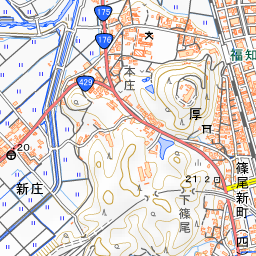
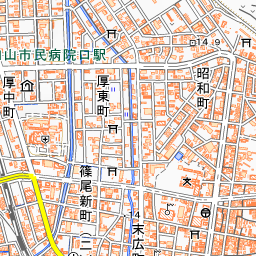
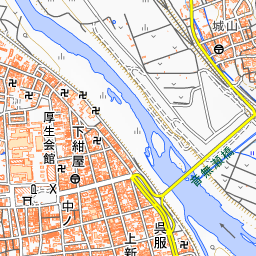
The castle is about a 15-minute walk from Fukuchiyama Station. In the honmaru, the Akagane-mon Bansho, which originally stood at the entrance to the ninomaru (second bailey), has been relocated and preserves the castle's history to this day. Just northeast of the keep lies the Fukuchiyama Sato Taisei Memorial Art Museum, and approximately 130 meters east-northeast is the Fukuchiyama Railway Museum Fukureru, both of which can be visited together. Goryo-jinja Shrine, where Mitsuhide is enshrined, is located about 870 meters northwest and can be reached on foot through the surrounding castle town.
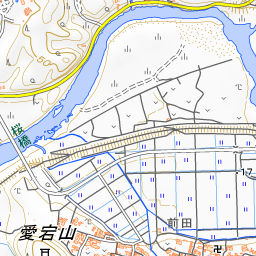
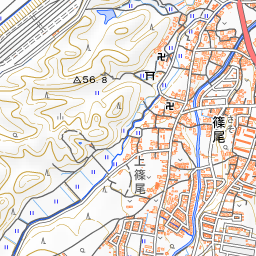
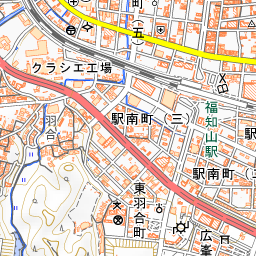
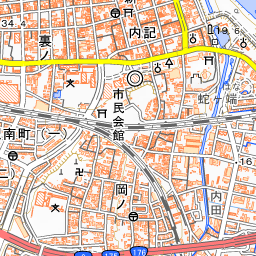
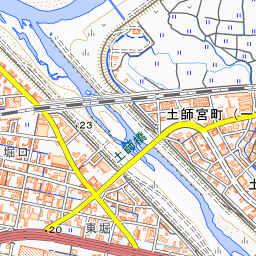
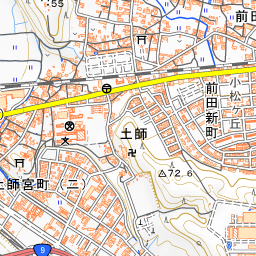
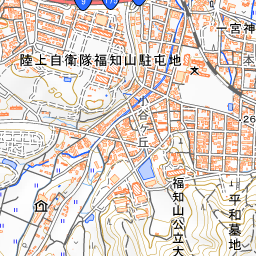
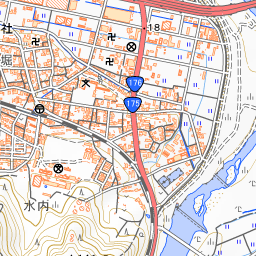
Spot location © OpenStreetMap contributors (ODbL)
Open in Google MapsGuides that include this spot (1)
Use asobot while you walk
- See where you are on the map and find spots nearby
- Listen to the guide's audio in course order, one after another (with subtitles)
- Walk to the next spot while following the map
Open on your phone
Scan to open this spot in asobot on your phone.