 ✨ AI Generated
Osaka Prefectural Museum of Yayoi Culture
Japanese: 大阪府立弥生文化博物館
Izumi, Osaka
This information was written by AI and may contain mistakes. Please check official sources for opening hours, fees, and other details before you go.
Found a mistake? Let us know with “✏️ Something's wrong” on this spot's screen in asobot →
🎧 Audio guide(1:04)
In short
A museum dedicated to the Yayoi period, located in Ikegami-cho, Izumi City. It opened in 1991 claiming to be Japan's only specialized museum for the Yayoi period, and promotes the concept of "A Museum Where You Meet Himiko." It stands adjacent to the Ikegami Sone Ruins, one of the nation's largest moat-encircled settlements (kango shuraku) from the Yayoi period, and also functions as a visitor center for the ruins.
- Visual Yayoi Culture: Exhibition Room 1 is organized around six themes, from "The Beginning of Rice Cultivation" to "Death and Rituals," and in its center, a symbol zone related to Queen Himiko of Yamatai is set up
- Ikegami Sone World: In Exhibition Room 2, actual pillars from a large building said to have been a shrine, a replica of an extraordinarily large hollowed-out log well, and other items are on display, introducing the neighboring Ikegami Sone Ruins
- Outdoor Experience Zone: Visitors can experience the excavation and restoration of pit dwellings, and confirm with their own hands the Yayoi lifestyle seen in the exhibitions
History and Highlights
The Osaka Prefectural Museum of Yayoi Culture, located in Ikegami-cho, Izumi City, is a museum dedicated to the Yayoi period. Opening in 1991 claiming to be Japan's only specialized museum for the Yayoi period, it promotes the concept of "A Museum Where You Meet Himiko." It collects, preserves, and displays materials and information regarding Yayoi culture in general.
Yayoi culture conveys to the present day the daily lives of the people who began wet-rice cultivation in the Japanese archipelago. The museum stands adjacent to the Ikegami Sone Ruins, one of the nation's largest moat-encircled settlements (kango shuraku) from the Yayoi period, and also functions as a visitor center for the ruins. Since its opening, archaeological excavations across Japan have progressed, significantly increasing the volume of materials and greatly altering understanding regarding the chronology of the Yayoi period.
The permanent exhibition consists of Exhibition Room 1, "Visual Yayoi Culture," which introduces Yayoi culture across Japan, and Exhibition Room 2, "Ikegami Sone World," which focuses primarily on the Ikegami Sone Ruins. Exhibition Room 1 is organized around six themes: "The Beginning of Rice Cultivation," "The Birth of New Technology," "Villages, Warfare, and Early States," "Yayoi People," "Interchange," and "Death and Rituals." In the center of the exhibition room, a symbol zone related to Queen Himiko of Yamatai is set up.
Viewing and Experience Highlights
- Ikegami Sone World: Exhibition Room 2 introduces the neighboring Ikegami Sone Ruins. Features such as actual pillars from a large building said to have been a shrine and a replica of an extraordinarily large hollowed-out log well are on display, offering a grasp of what this settlement—once the center of the region—looked like in those days.
- Special and Feature Exhibitions: In the Special Exhibition Room, special and feature exhibitions are held seasonally, presenting the history and culture of the Yayoi period from various perspectives.
- Outdoor Experience Zone: Outdoors, visitors can experience the excavation and restoration of pit dwellings. It is a place where you can directly confirm with your own hands the Yayoi lifestyle seen in the exhibitions.
Walking Tips
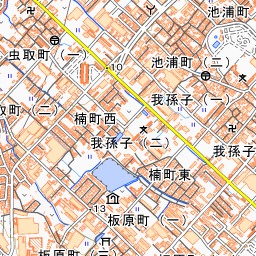
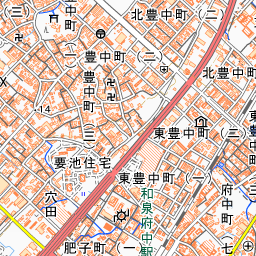
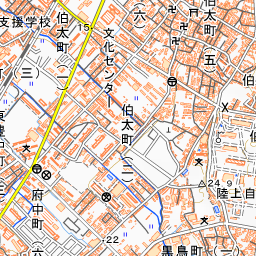
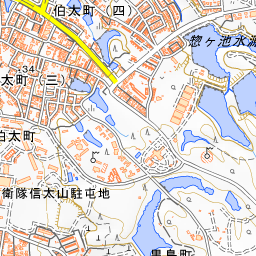
To the north of the museum lies the Ikegami Sone Historic Site Park, which features a reconstructed large building and the Ikegami Sone Yayoi Learning Center, where visitors can experience Yayoi-period craftmaking. Highlights of the ruins and the park are covered in the description of the Ikegami Sone Ruins. The museum is located about 600 meters west of Shinodayama Station on the JR Hanwa Line, at the southwest corner of the Ikegamicho intersection on National Route 26.


Spot location © OpenStreetMap contributors (ODbL)
Open in Google MapsGuides that include this spot (1)
Use asobot while you walk
- See where you are on the map and find spots nearby
- Listen to the guide's audio in course order, one after another (with subtitles)
- Walk to the next spot while following the map
Open on your phone
Scan to open this spot in asobot on your phone.