 ✨ AI Generated
Shionjiyama Kofun Burial Mound
Japanese: 心合寺山古墳
Yao, Osaka
This information was written by AI and may contain mistakes. Please check official sources for opening hours, fees, and other details before you go.
Found a mistake? Let us know with “✏️ Something's wrong” on this spot's screen in asobot →
🎧 Audio guide(1:14)
In short
A keyhole-shaped burial mound (zenpo-koen-fun) from the middle Kofun period in Otake, Yao City. Built in the first half of the 5th century, it has a total length of 160 meters and a height of about 13 meters. It is the largest burial mound in Nakakawachi, is considered to be the tomb of a chieftain who ruled this entire region at the time, and was designated a national Historic Site in 1966. Restoration work from 2001 to 2005 restored the mound and the rows of haniwa, reviving its appearance from approximately 1,600 years ago.
- Ascending the Restored Mound: Visitors can climb to the top of the rectangular front portion via a slope, where replicas of the cylindrical haniwa lined up on the terrace can be viewed up close. On the slope of the rear circular portion, there are two large paulownia trees that were left as they were when the site was developed into a park
- Haniwa Depicting a Water Ritual Site: A haniwa with a house and its surrounding wall crafted as a single piece, and the only one of its kind found in Japan. It became a designated cultural property of Yao City in fiscal year 2025 and is currently housed in the Yao City Museum of History and Folklore
- Shionjiyama Kofun Learning Center: Located next to the burial mound, it offers exhibits centered on excavated artifacts, allowing visitors to learn about the Kofun period. In the center of the exhibition room, the western one of the three burial facilities in the rear circular portion is recreated, and there are also hands-on activity corners, such as magatama (comma-shaped bead) making
History and Highlights
Shionjiyama Kofun Burial Mound is a keyhole-shaped burial mound (zenpo-koen-fun) from the middle Kofun period, located in Otake, Yao City. Built in the first half of the 5th century, it has a total length of 160 meters and a height of about 13 meters. It is the largest burial mound in Nakakawachi and is considered to be the tomb of a chieftain who ruled this entire region at the time. It was designated a national Historic Site in 1966. Its name is thought to derive from Shingoji, a temple built to the west of the burial mound in the late Asuka period.
Excavations revealed that the mound was constructed in three tiers, with cylindrical haniwa (terracotta clay figures) arranged on the flat surfaces of each tier, and the slopes covered with fukiishi (paving stones). At the top of the rear circular portion, three clay-encased wooden caskets known as "nendokaku" (clay burial chambers) were aligned from east to west, and armor, mirrors, and swords were unearthed from the western chamber. Restoration and maintenance work was carried out from 2001 to 2005, restoring the mound and rows of haniwa to revive its appearance from approximately 1,600 years ago.
Viewing and Experience Points
- Ascending the Restored Mound: Visitors can climb to the top of the rectangular front portion via a slope, where replicas of the cylindrical haniwa lined up on the terrace can be viewed up close. On the slope of the rear circular portion, there are two large paulownia trees that were left preserved when the site was developed into a park.
- Haniwa Depicting a Water Ritual Site: Unearthed in the fiscal year 1999 excavation, this haniwa consists of a house and surrounding wall crafted as a single piece, and it is the only one of its kind found in Japan. It depicts water brought in from outside the wall passing through the house, and is believed to model a building used for water rituals. It was designated a Yao City Tangible Cultural Property in fiscal year 2025 and is currently housed in the Yao City Museum of History and Folklore.
- Shionjiyama Kofun Learning Center: Located next to the burial mound, the Yao Municipal Shionjiyama Kofun Learning Center offers exhibits centered on excavated artifacts, allowing visitors to learn about the Kofun period. In the center of the exhibition room, the western burial facility among the three in the rear portion is recreated. There are also hands-on activity corners, such as magatama (comma-shaped bead) making.
Walking Tips
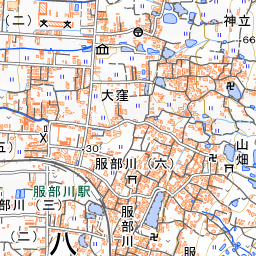
It is about a 20-minute walk north from Hattorigawa Station on the Kintetsu Shigi Line. Alternatively, take a Kintetsu Bus from Kawachi-Yamamoto Station on the Kintetsu Osaka Line or Hyotanyama Station on the Kintetsu Nara Line, get off at "Otake," and walk east for about 5 minutes. From the promenade on the west side of the burial mound, a weather radar can be seen at the summit of Mount Takayasu behind the mound, allowing visitors to view round artificial structures built in completely different eras at the same time. Burial mounds from the early to middle Kofun period were built in this area, and together with Shionjiyama Kofun Burial Mound, they are collectively known as the Gakuonji-Otake Kofun Cluster.
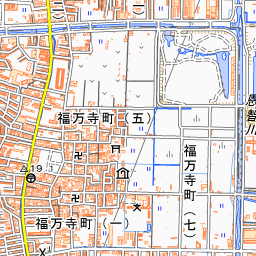
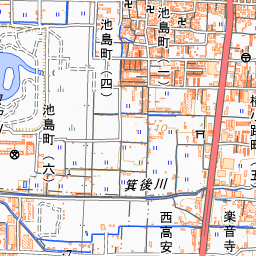
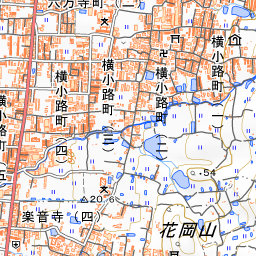
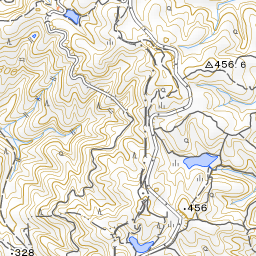
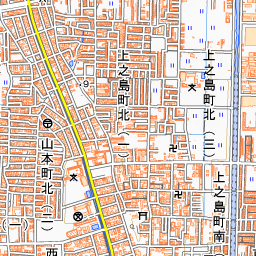
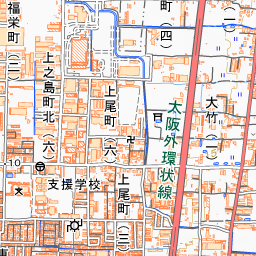
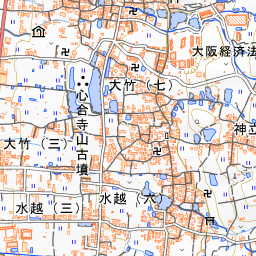
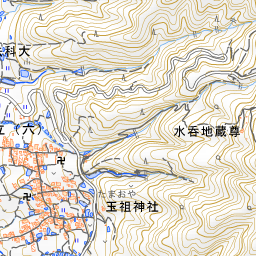
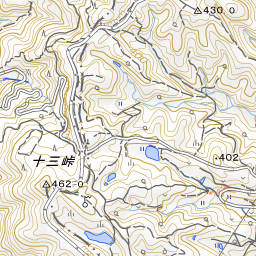
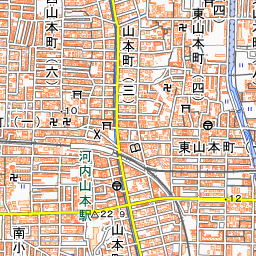
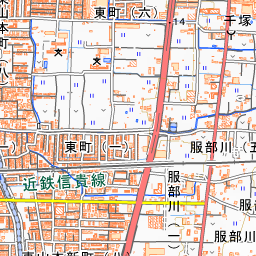
Spot location © OpenStreetMap contributors (ODbL)
Open in Google MapsUse asobot while you walk
- See where you are on the map and find spots nearby
- Listen to the guide's audio in course order, one after another (with subtitles)
- Walk to the next spot while following the map
Open on your phone
Scan to open this spot in asobot on your phone.