 ✨ AI Generated
Osaka Tenmangu Shrine
Japanese: 大阪天満宮
Kita Ward, Osaka
This information was written by AI and may contain mistakes. Please check official sources for opening hours, fees, and other details before you go.
Found a mistake? Let us know with “✏️ Something's wrong” on this spot's screen in asobot →
🎧 Audio guide(1:10)
In short
An ancient shrine situated in the Tenma district near Osaka Station, affectionately known as "Tenma no Tenjin-san." It enshrines Sugawara no Michizane, revered as the deity of learning, as Tenjin. In 949 (Tenryaku 3), seven pine trees reportedly grew overnight in front of Daishogun-sha Shrine, which stood on this site; upon hearing of this, Emperor Murakami ordered the construction of a shrine, marking its foundation. The present main sanctuary was rebuilt in 1843 (Tenpo 14), after the great fire resulting from the rebellion of Oshio Heihachiro.
- Directional Compass of the Omote-daimon Gate: Above the Omote-daimon, the main gate, there is a directional compass showing each direction with the twelve signs of the Chinese zodiac; because Michizane disliked roosters, the place of the Rooster is depicted with a phoenix
- Toryumon Gates and Hoshiai-no-ike Pond: The "Toryumon" gates on the east and west sides of the main sanctuary open only during the "Honden Torinuke" ritual, in which visitors pray for passing exams and career advancement. The Hoshiaibashi Bridge over "Hoshiai-no-ike Pond" in the northern part of the grounds is a match-making spot
- Tenjin Matsuri: Centering on the Yoimiya (eve festival) on July 24 and the Honmiya (main festival) on July 25 each year, it is one of Japan's three major festivals. On the night of the 25th, the Funatogyo Boat Procession takes place with many boats plying the Okawa River, accompanied by a dedication of fireworks
History and Highlights
Osaka Tenmangu Shrine is an ancient shrine situated in the Tenma district near Osaka Station, affectionately known locally as "Tenma no Tenjin-san." It enshrines Sugawara no Michizane, revered as the deity of learning, as Tenjin.
Originally, around 650 during the first year of the Hakuchi era when Emperor Kotoku built the Naniwa Nagara-Toyosaki-no-miya Palace, Daishogun-sha Shrine was enshrined here as a guardian deity protecting the northwest of the capital. In 901 (Engi 1), Michizane is said to have visited this Daishogun-sha Shrine to pray for a safe journey while en route to Dazaifu. In 949 (Tenryaku 3), seven pine trees reportedly grew overnight in front of the shrine, their treetops glowing each night. Upon hearing of this, Emperor Murakami ordered the construction of a shrine, marking its foundation. Daishogun-sha Shrine is still enshrined today as an auxiliary shrine (sessha) in the northwestern part of the grounds.
Osaka Tenmangu Shrine suffered fires seven times according to records from the Edo period alone, and was completely burned down in the great fire during the rebellion of Oshio Heihachiro in 1837 (Tenpo 8). The present main sanctuary (honden) was rebuilt about six years later in 1843 (Tenpo 14) by parishioners and worshipers, and as a composite shrine pavilion with an offering hall (heiden) and worship hall (haiden), it is the largest in scale within Osaka City.
Viewing and Experience Points
- Directional Compass of the Omote-daimon Gate: When passing through the Omote-daimon, the main gate on the south side of the grounds, look up overhead. There is a directional compass showing each compass direction with the twelve signs of the Chinese zodiac; because Michizane disliked roosters, the direction of the Rooster is depicted with a phoenix instead.
- Toryumon Gates and Hoshiai-no-ike Pond: The "Toryumon" gates on the east and west sides of the main sanctuary are opened only during the "Honden Torinuke" ritual, in which visitors pray for passing exams and career advancement; they can be passed through only on designated days from mid-January to March each year. The Hoshiaibashi Bridge over Hoshiai-no-ike Pond, located in the northern part of the grounds, is a match-making spot where men and women who meet on the bridge are said to be united.
- Tenjin Matsuri: Centering on the Yoimiya (eve festival) on July 24 and the Honmiya (main festival) on July 25 each year, the Tenjin Matsuri is one of Japan's three major festivals. On the night of the 25th, the Funatogyo Boat Procession takes place with many boats plying the Okawa River, accompanied by a dedication of fireworks. The festival is said to have begun in 951 (Tenryaku 5) when sacred halberds were set adrift from the beach in front of the shrine, and the Hokonagashi Shinji ritual is still held on the morning of the 24th.
Walking Tips
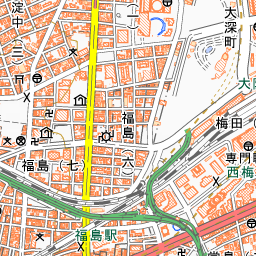
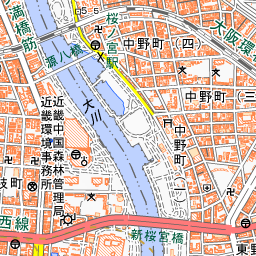
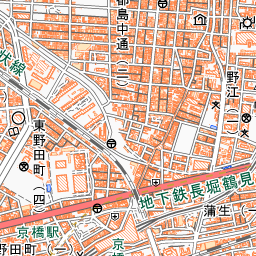
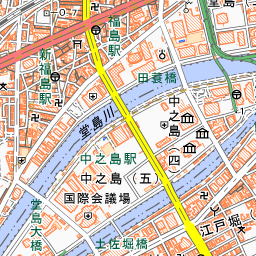
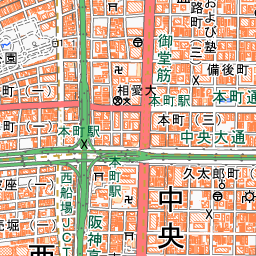
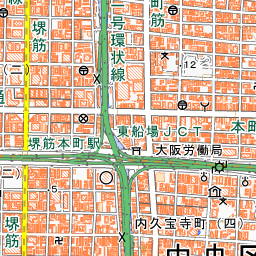
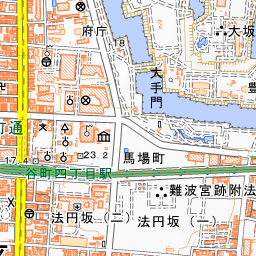
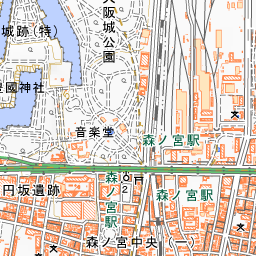
It is about a 5-minute walk from Minami-morimachi Station on the Osaka Metro Tanimachi and Sakaisuji Lines, or from Osakatenmangu Station on the JR Tozai Line. Upon exiting the station, you will find the Tenjinbashisuji Shopping Street; heading south and turning into a side street will bring you to Osaka Tenmangu Shrine. On the north side of the grounds stands the Kamigata rakugo theater "Tenma Tenjin Hanjotei," where it is enjoyable to catch a performance after paying respects at the shrine. From February to March, about 100 plum trees in the shrine precincts burst into bloom.



Spot location © OpenStreetMap contributors (ODbL)
Open in Google MapsGuides that include this spot (1)
Use asobot while you walk
- See where you are on the map and find spots nearby
- Listen to the guide's audio in course order, one after another (with subtitles)
- Walk to the next spot while following the map
Open on your phone
Scan to open this spot in asobot on your phone.