
The Ancient Orient Museum
Japanese: 古代オリエント博物館
Toshima City, Tokyo
This information was written by AI and may contain mistakes. Please check official sources for opening hours, fees, and other details before you go.
Found a mistake? Let us know with “✏️ Something's wrong” on this spot's screen in asobot →
🎧 Audio guide(1:01)
In short
The Ancient Orient Museum is a museum located on the 7th floor of the Sunshine City Bunka Kaikan Building in Ikebukuro. It was established in 1978 as Japan's first museum themed around the ancient Orient. It houses approximately 5,000 items dating from the Paleolithic period to the Sasanian era, focusing primarily on West Asia and Egypt.
- Self-excavated materials: Excavated artifacts from overseas academic research conducted in places such as Syria are displayed alongside archaeological, art, and historical materials.
- Collection exhibitions: Through its permanent collection and deposited materials, the museum aims to always offer an exhibition that feels fresh in some way.
- The fun of spotting animals: Visitors can tour the exhibits while searching for depicted animals, such as an ox pulling a cart or zebu cattle with charming eyes.
History and Highlights
The Ancient Orient Museum was established to introduce the ancient civilizations of West Asia and Egypt, often referred to as the cradle of civilization. It opened on October 5, 1978. It is Japan's first museum specializing in the ancient Orient, with Egami Namio serving as its inaugural director.
Since its opening, the museum has conducted overseas academic surveys in the Orient region. It continued excavations in Syria's Euphrates River basin and at the Tell Mastuma archaeological site, and from 1995 to 2001, it also carried out excavations at Dalverzin Tepe in southern Uzbekistan. Research is advanced using the archaeological and art historical materials excavated by the museum itself.
The collection comprises approximately 5,000 items ranging from the Paleolithic period to the Sasanian era, centered on West Asia and Egypt. It also preserves many excavated artifacts from Syria. In the collection exhibitions, alongside these excavated items, a wide variety of materials spanning archaeology, art, and history are displayed. The exhibition space covers 650 square meters.
Viewing and Experience Points
- Collection exhibitions: These displays feature the museum's permanent holdings along with deposited items. Rather than remaining "the same whenever you visit," the goal is to always present something new.
- Special exhibitions: The museum holds independently planned feature exhibitions, close-up displays, and traveling special exhibitions hosted from outside the museum about three times a year.
- Animals of the Orient: Enjoying the exhibits while searching for animals is another way to experience the museum. In the Mesopotamia section, you can spot an ox pulling a cart. In the Balochistan section, there are zebu cattle with charming eyes. In ancient Egypt, the ibis was revered as the sacred animal of the god Thoth.
Travel Tips
The museum is on the 7th floor of the Sunshine City Bunka Kaikan Building. It is a 6-minute walk from Exits 6 and 7 of Higashi-Ikebukuro Station on the Tokyo Metro Yurakucho Line, and a 13-minute walk from the East Exit of JR Ikebukuro Station. Leaflets introducing basic information and collection highlights in plain Japanese are available. Leaflets that combine a tactile indoor map with Braille explanations of the highlights can also be borrowed. You can easily combine your visit with Sunshine Aquarium and the observation deck located in the same Sunshine City.

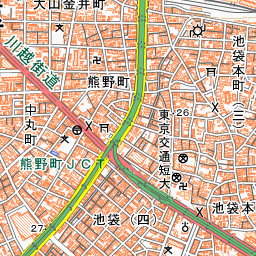
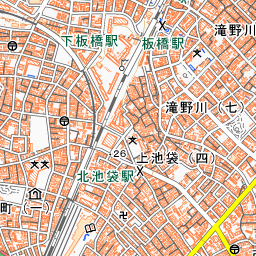
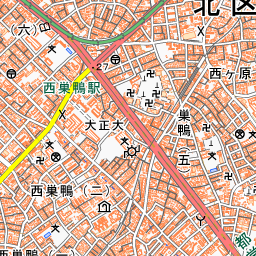
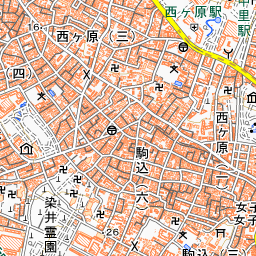
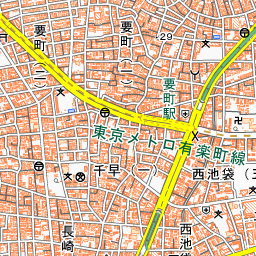


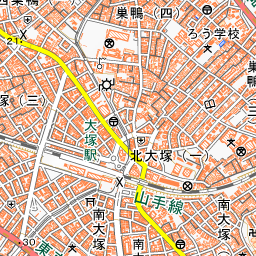

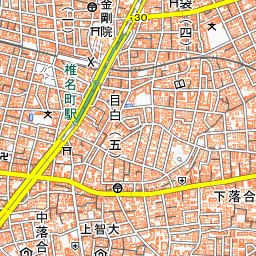
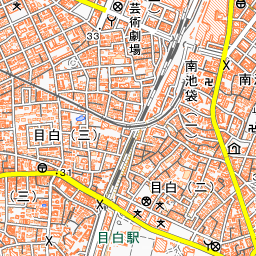
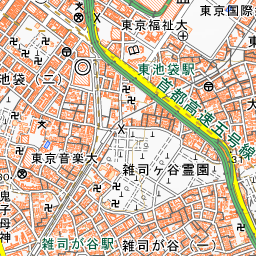


Spot location © OpenStreetMap contributors (ODbL)
Open in Google MapsUse asobot while you walk
- See where you are on the map and find spots nearby
- Listen to the guide's audio in course order, one after another (with subtitles)
- Walk to the next spot while following the map
Open on your phone
Scan to open this spot in asobot on your phone.