 ✨ AI Generated
Kotoku-ji Temple
Japanese: 廣徳寺
Akiruno, Tokyo
This information was written by AI and may contain mistakes. Please check official sources for opening hours, fees, and other details before you go.
Found a mistake? Let us know with “✏️ Something's wrong” on this spot's screen in asobot →
🎧 Audio guide(1:03)
In short
Kotoku-ji Temple is an ancient temple of the Kencho-ji branch of the Rinzai Zen sect, situated at the foot of a mountain in Kowada, Akiruno City. It is said to have been founded in 1373 (the 6th year of the Oan era), and its grounds are designated as a Historic Site of Tokyo. It is known for its thatched-roof Sanmon gate and two large ginkgo trees that dye the precincts yellow in autumn.
- Thatched-roof Sanmon Gate: A two-story thatched gate presumed to be a structure from the mid-Edo period.
- Two Large Ginkgo Trees: Appearing right after passing through the Sanmon gate, they create a scene resembling a yellow carpet underfoot during the autumn foliage season.
- Kaya and Tarayo Trees: Standing behind the main hall are the largest Tarayo (lusterleaf holly) in Tokyo and the largest Kaya (Japanese nutmeg-yew) in the Tama area. Both are designated as Natural Monuments of Tokyo.
History and Highlights
Kotoku-ji is a temple of the Rinzai sect's Kencho-ji branch, with the mountain name (sango) Ryukakusan. According to temple tradition, the wife of Shoo Choja initially built a hall and invited Zen Master Shingen Kitetsu, the 70th head abbot of Kencho-ji Temple in Kamakura, to be the founding abbot. Later, Shoo Choja is said to have made donations to fully equip the temple complex (garan). Its founding is said to date back to 1373.
During the Sengoku period, the temple buildings were rebuilt by Hojo Ujiyasu. In 1551 (the 20th year of the Tenbun era), Oishi Genzaemon Doshun revitalized the temple by donating temple lands. A document regarding the temple domain issued in Doshun's name that same year bears the tiger seal of the Hojo clan. In the Edo period, the shogunate granted the temple an estate with an official vermilion-seal charter (shuinchi) yielding 40 koku, and the grounds spanned approximately 12,000 tsubo.
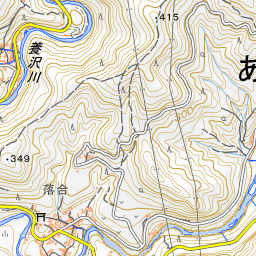
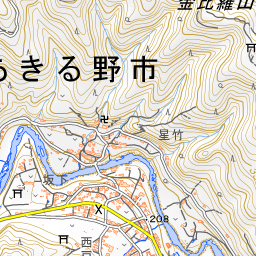
The temple is located in Kowada, Akiruno City, at the western edge of the Itsukaichi Basin, at the foot of the mountains on the right bank of the Aki River. Facing east, the Somon (front gate), Sanmon gate, and the main hall are aligned in a straight line. Across the approach between the Sanmon gate and the main hall, a bell tower to the north and a scripture depository to the south face each other, reflecting the layout of a Zen Buddhist monastery. These temple grounds are designated as a Historic Site of Tokyo, and the Somon and Sanmon gates are designated as Tangible Cultural Properties of Akiruno City.
Viewing and Experience Points
- Somon and Sanmon Gates: Hung on the thatched Somon gate is a large framed board written by Matsudaira Fumai, a lord of Izumo known as a man of culture in the late Edo period. Beyond it, the Sanmon gate is also thatched, featuring a plaque inscribed with "Shogenkaku" on its upper story. It is a simple and harmonious structure.
- Two Large Ginkgo Trees: Passing through the imposing Sanmon gate, two large ginkgo trees come into view. During the autumn foliage season, a vivid yellow carpet unfolds before your eyes.
- Kaya and Tarayo behind the Main Hall: Soaring behind the main hall is the largest Tarayo tree in Tokyo. To its north stands the largest Kaya tree in the Tama area. Both are designated as Natural Monuments of Tokyo.
Tips for Exploring
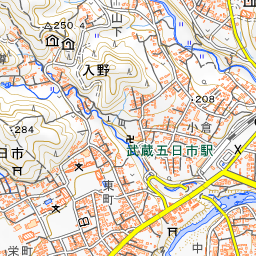
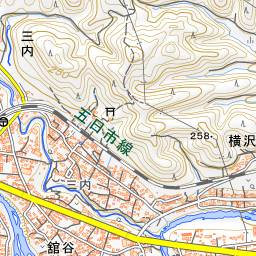
It is about a 30-minute walk from Musashi-Itsukaichi Station. By bus, get off at "Kamicho" and walk for about 15 minutes. From the Kamicho intersection on the Hinohara Kaido highway, head down to the Aki River; after crossing the bridge, the path to the temple is an uphill climb. Along the approach, visitors can enjoy seasonal wildflowers. Proceeding deeper into the precincts, there is a pond behind the main hall. The Kaya and Tarayo trees can be viewed by going around to the back from the left side of the main hall. Nearby, Daihigan-ji Temple is about 2.5 kilometers east-northeast, and Akigawa Valley Seoto-no-Yu is about 2.7 kilometers west-northwest.

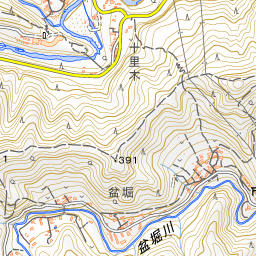
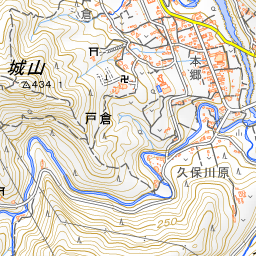

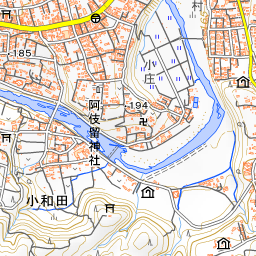
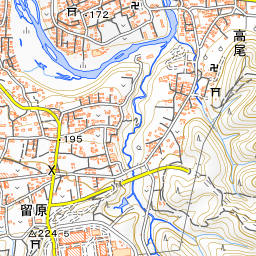
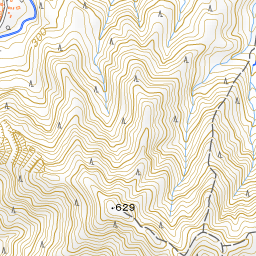
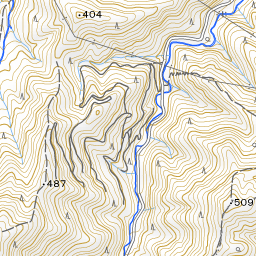
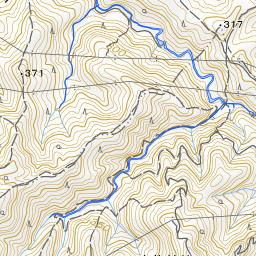
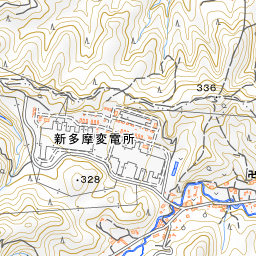
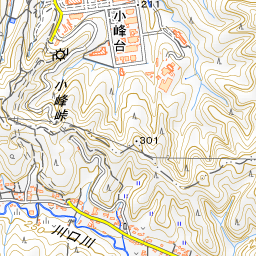
Spot location © OpenStreetMap contributors (ODbL)
Open in Google MapsUse asobot while you walk
- See where you are on the map and find spots nearby
- Listen to the guide's audio in course order, one after another (with subtitles)
- Walk to the next spot while following the map
Open on your phone
Scan to open this spot in asobot on your phone.