 ✨ AI Generated
Fushimi Castle
Japanese: 伏見城
Fushimi Ward, Kyoto
This information was written by AI and may contain mistakes. Please check official sources for opening hours, fees, and other details before you go.
Found a mistake? Let us know with “✏️ Something's wrong” on this spot's screen in asobot →
🎧 Audio guide(1:06)
In short
A collective name for several castles built by Toyotomi Hideyoshi and Tokugawa Ieyasu on the hills of Momoyama in Fushimi. Hideyoshi died in this castle in 1598, and after it fell during a preliminary conflict leading to the Battle of Sekigahara, Ieyasu was appointed Seii Taishogun (shogun) at the castle he rebuilt. The castle was abandoned in 1623, and it is said that peach trees were planted on the site, giving rise to the place name "Momoyama."
- Mock Keeps: Today's large and small castle keeps are mock keeps built in 1964 alongside an amusement park, and are distinct from the Fushimi Castle of Hideyoshi and Ieyasu. The interior is not open to the public and can only be viewed from the outside
- The Honmaru Site Inside the Imperial Mausoleum: The area around the original honmaru (main bailey) is now part of the Emperor Meiji Fushimi Momoyama Imperial Mausoleum grounds, and other than Kosetsu-ike Pond and Jibu-ike Pond, which retain parts of the inner moat, very little remains today to recall the past
- Remnants Preserved in Various Locations: After the castle was abandoned, its structures were relocated to temples and shrines across various regions. The front gate of Gokonomiya-jinja Shrine was originally the Otemon (main gate) of Fushimi Castle
History and Highlights
Fushimi Castle is a collective name for several castles built by Toyotomi Hideyoshi and Tokugawa Ieyasu on the hills of Momoyama in Fushimi. It began in 1592 as Hideyoshi's villa built on the hill of Shigetsu overlooking the Uji River. Following the birth of Hideyori the next year, it was transformed into a full-scale castle. After being destroyed in the major earthquake of 1596, the castle was relocated to Mt. Kohata and rebuilt; Hideyoshi died in this castle in 1598.
In 1600, it fell during a preliminary conflict leading to the Battle of Sekigahara, but Ieyasu rebuilt it in 1602, and the following year, he was appointed Seii Taishogun (shogun) at this castle. In 1623, after Tokugawa Iemitsu's appointment as shogun, the castle was finally decommissioned and abandoned. It is said that peach trees were later planted on the site, giving rise to the place name "Momoyama" (Peach Mountain).
Today, the large and small castle keeps standing on the hill are mock keeps built in 1964 alongside an amusement park, and are distinct from the Fushimi Castle of Hideyoshi and Ieyasu. The amusement park "Fushimi Momoyama Castle Land" closed in 2003. The keeps, which were slated for demolition, were preserved after being donated to Kyoto City following requests from local residents.
Viewing and Experience Points
- Mock Keeps and Exercise Park: The area is now Fushimi Momoyama Castle Exercise Park, managed by Kyoto City. The interior of the keeps is not open to the public and can only be viewed from the outside, but cherry and maple trees are planted around them, allowing visitors to enjoy views of the keeps through cherry blossoms or autumn foliage.
- The Honmaru Site Inside the Imperial Mausoleum: The mock keeps stand on the site of the northern enclosure (kuruwa) of Fushimi Castle. The area around the original honmaru (main bailey) is now part of the Emperor Meiji Fushimi Momoyama Imperial Mausoleum grounds. Other than Kosetsu-ike Pond and Jibu-ike Pond, which retain parts of the inner moat, very little remains today to recall the past.
- Remnants Preserved in Various Locations: After the castle was abandoned, its structures were relocated to temples and shrines across various regions. Many are thought to be remnants from Ieyasu's era. The front gate of nearby Gokonomiya-jinja Shrine was originally the Otemon (main gate) of Fushimi Castle. Several temples in Kyoto feature "blood ceilings" (chi-tenjo), said to have been made from hallway floorboards where Torii Mototada and others committed ritual suicide when the castle fell.
Walking Tips
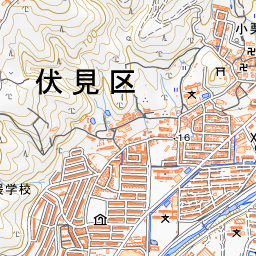
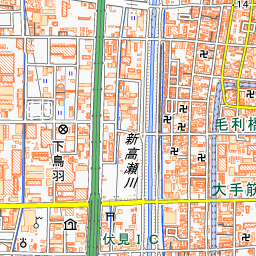
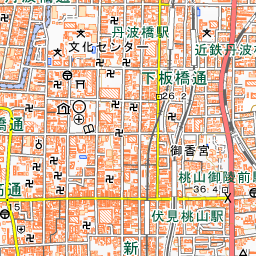
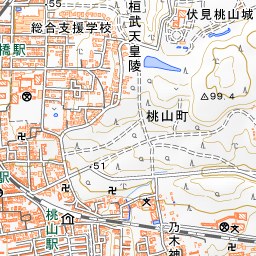
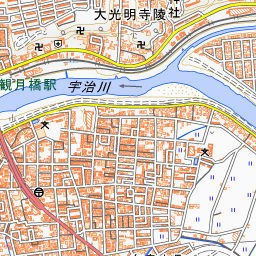
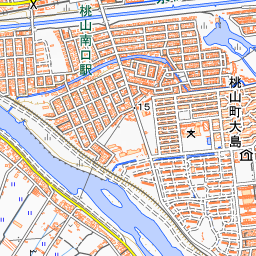
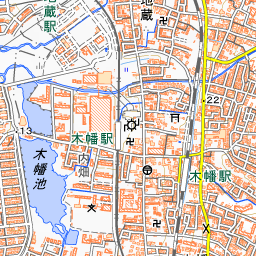
It is about a 15- to 20-minute walk from stations such as Tambabashi Station on the Keihan and Kintetsu lines, or Momoyama Station on the JR Nara Line. The Emperor Meiji Fushimi Momoyama Imperial Mausoleum is less than 500 meters to the southeast, Nogi-jinja Shrine is about 800 meters to the south, and Gokonomiya-jinja Shrine is about 1 kilometer down to the southwest.
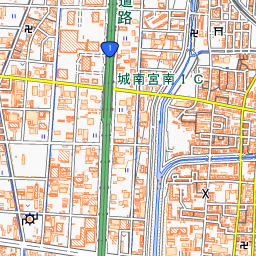
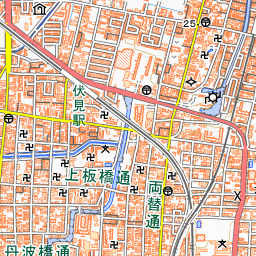
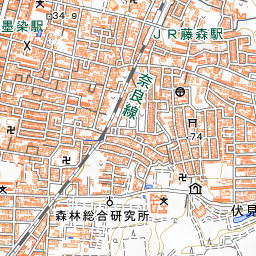
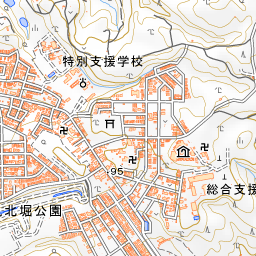
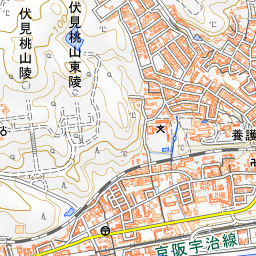
Spot location © OpenStreetMap contributors (ODbL)
Open in Google MapsUse asobot while you walk
- See where you are on the map and find spots nearby
- Listen to the guide's audio in course order, one after another (with subtitles)
- Walk to the next spot while following the map
Open on your phone
Scan to open this spot in asobot on your phone.