 ✨ AI Generated
Hiroshima Prefectural Art Museum
Japanese: 広島県立美術館
Naka Ward, Hiroshima
This information was written by AI and may contain mistakes. Please check official sources for opening hours, fees, and other details before you go.
Found a mistake? Let us know with “✏️ Something's wrong” on this spot's screen in asobot →
🎧 Audio guide(1:00)
In short
Hiroshima Prefectural Art Museum is a prefectural art museum located right next to Shukkeien Garden, a designated national Place of Scenic Beauty. It opened in 1968 and was reborn in 1996 as a modern building designed to harmonize with the adjacent garden. The collection holds over 5,200 works, which are introduced through rotating permanent collection exhibitions.
- Dali's "Dream of Venus": One of the museum's representative works, it is a large-scale work painted for the pavilion designed by Dalí himself at the 1939 New York World's Fair
- Artists Associated with Hiroshima: Through works by painters such as Minami Kunzo, Aimitsu, Kodama Kibo, Okuda Genso, and Hirayama Ikuo, visitors can trace the history of modern art in this region. Which works you can see depends on the exhibition at the time
- Lobby Overlooking Shukkeien Garden: From the lobby and rest areas, you can look out over the seasonal scenery of Shukkeien Garden, a feudal lord garden constructed by the Asano family, lords of the Hiroshima Domain
History and Highlights
Hiroshima Prefectural Art Museum is a prefectural art museum located right next to Shukkeien Garden, a designated national Place of Scenic Beauty. It opened in 1968 and was reborn in 1996 as a modern building designed to harmonize with the adjacent garden.
The collection is built around three main pillars: "Art related to Hiroshima Prefecture," "Art of the 1920s and 1930s," and "Crafts of Japan and Asia." The collection holds over 5,200 works, which are introduced through rotating permanent collection exhibitions.
Among artists associated with Hiroshima, the museum houses works by Western-style painters such as Minami Kunzo and Aimitsu, and Japanese-style painters such as Kodama Kibo, Okuda Genso, and Hirayama Ikuo. Hirayama Ikuo is a painter who expressed his personal experience of the atomic bombing through his paintings. For 20th-century art, the museum also holds works by painters such as Magritte, Ernst, and De Chirico.
Viewing and Experience Points
- Dali's "Dream of Venus": One of the museum's representative works is Salvador Dalí's Dream of Venus. It is a large-scale work painted for the pavilion designed by Dalí himself at the 1939 New York World's Fair.
- Artists Associated with Hiroshima: Through works by painters born and raised in Hiroshima or artists with deep ties to the area, visitors can trace the history of modern art in this region. Which works you can see depends on the exhibition at the time.
- Crafts of Japan and Asia: In addition to Japanese crafts, the museum also collects traditional crafts from Asian countries. Visitors can appreciate the intricacy of handcrafts, which differs from paintings.
Walking Tips
From the lobby and rest areas, you can look out over the seasonal scenery of Shukkeien Garden, a feudal lord garden constructed by the Asano family, lords of the Hiroshima Domain. Taking a break to gaze at the garden between viewings is recommended. Highlights of the garden are introduced in the "Shukkeien Garden" spot entry. Hiroshima Castle and Hiroshima Gokoku-jinja Shrine are also nearby, making this an ideal location for a day-long stroll combining art, the garden, and the castle ruins.
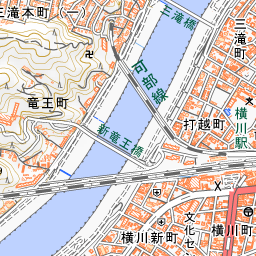
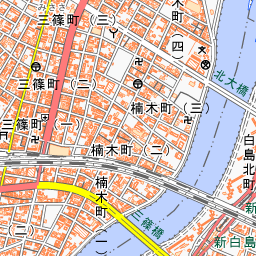
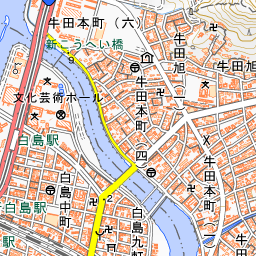
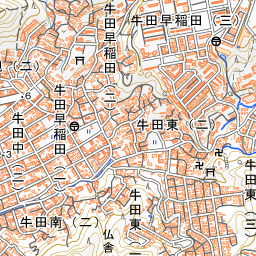
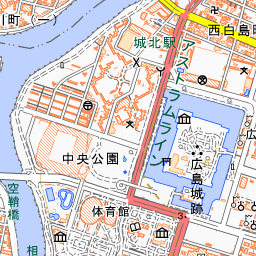
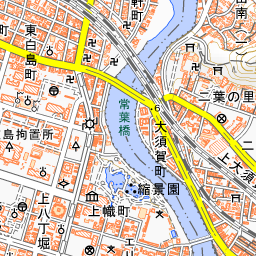
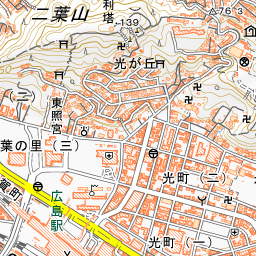
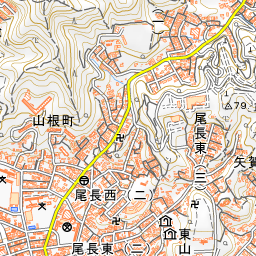
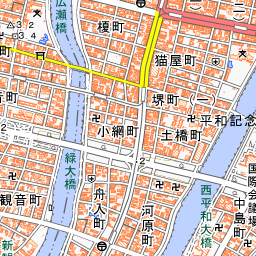
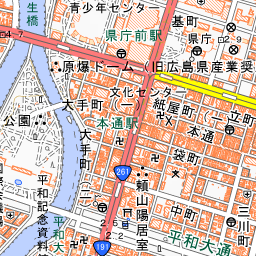
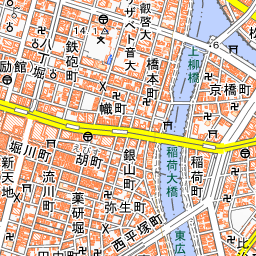
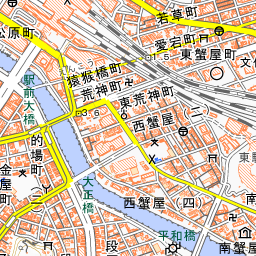
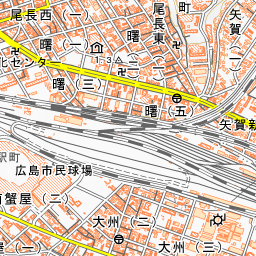
Spot location © OpenStreetMap contributors (ODbL)
Open in Google MapsGuides that include this spot (2)
Use asobot while you walk
- See where you are on the map and find spots nearby
- Listen to the guide's audio in course order, one after another (with subtitles)
- Walk to the next spot while following the map
Open on your phone
Scan to open this spot in asobot on your phone.