 ✨ AI Generated
Ama Ruins Park
Japanese: 安満遺跡公園
Takatsuki, Osaka
This information was written by AI and may contain mistakes. Please check official sources for opening hours, fees, and other details before you go.
Found a mistake? Let us know with “✏️ Something's wrong” on this spot's screen in asobot →
🎧 Audio guide(0:59)
In short
An approximately 22-hectare park developed to preserve and utilize the Ama Ruins, a National Historic Site, which fully opened on March 27, 2021. The Ama Ruins is a settlement site containing the remains of a moat-encircled settlement from the Yayoi period, about 2,500 years ago, and studying its pottery led to the first-ever suggestion that Yayoi culture spread from northern Kyushu to the Kinai region.
- Historical Base Exhibition Hall: An exhibition hall renovated from a farm annex built in 1932 (Showa 7), displaying actual geological strata peeled from the Yayoi period moat running directly underneath
- Theater and "Ask the Elder!": Videos introduce the village's beginnings and daily life at the time, and when you hold displayed pottery or hoes in front of the Elder, the character teaches you the names and uses of the tools
- Moat Traces and Farm Buildings: White stones are laid out in the moat sections. The farm-era buildings, memorable for their white walls and red roofs, are Registered Tangible Cultural Properties of Japan and are now used as restaurants, experience centers, and more
History and Highlights
Ama Ruins Park is an approximately 22-hectare park—roughly the size of five Koshien Stadiums—developed to preserve and utilize the Ama Ruins, a designated National Historic Site. The Ama Ruins is a settlement site containing the remains of a moat-encircled settlement (kango shuraku) from the Yayoi period, about 2,500 years ago. It was designated as a National Historic Site in 1993 (Heisei 5).
The site was discovered in 1928 (Showa 3) during the establishment of a Kyoto University Faculty of Agriculture farm, which yielded large quantities of Yayoi pottery and stone tools. Studying these pieces of pottery led to the first-ever suggestion that Yayoi culture spread from northern Kyushu to the Kinai region, making this a well-known site in academic history. The ruins comprise all three primary zones: a residential area where people lived, a production area where rice paddies and other fields spread out, and a burial area where more than 100 tombs have been identified. Because the area was used as a university farm, it escaped residential development, allowing the underground remains to be preserved in good condition. Following the relocation of the farm, the site was developed into a park, fully opening on March 27, 2021.
Points for Viewing and Experiencing
- Historical Base Exhibition Hall: This exhibition hall is a renovated annex built in 1932 (Showa 7), which is part of the "Former Kyoto University Takatsuki Farm Main Building and Attached Buildings," a National Registered Tangible Cultural Property. A section of the actual geological strata was peeled from the Yayoi period moat running directly underneath and is on display; standing at the base gives a sense of the 2,500-year span of time. Visitors can also hold replicas of reconstructed daily tools from that era.
- Theater and "Ask the Elder!": At the theater, videos introduce the village's beginnings, daily life at the time, and the mystery surrounding Yayoi people's footprints uncovered during excavations. When you hold displayed pottery or hoes in front of the Elder, the character teaches you the names and uses of the tools.
- Moat Traces and Farm Buildings: In the park's moat sections, white stones are laid out and banks covered with artificial turf have been arranged. The farm-era buildings, memorable for their white walls and red roofs, are Registered Tangible Cultural Properties of Japan and are currently used as restaurants, experience centers, and more.
Strolling Tips
With its expansive lawns, cafes, restaurants, and large-scale playground equipment where children can play freely, the park offers a relaxing place to spend time in addition to learning about the ruins. The park also serves as an evacuation area in times of disaster. It is approximately a 10-minute walk from Takatsuki-shi Station on the Hankyu Kyoto Line and about a 13-minute walk from Takatsuki Station on the JR Kyoto Line.


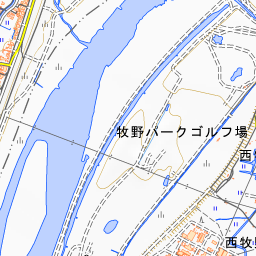
Spot location © OpenStreetMap contributors (ODbL)
Open in Google MapsUse asobot while you walk
- See where you are on the map and find spots nearby
- Listen to the guide's audio in course order, one after another (with subtitles)
- Walk to the next spot while following the map
Open on your phone
Scan to open this spot in asobot on your phone.