 ✨ AI Generated
Yasukuni-jinja Shrine
Japanese: 靖国神社
Chiyoda City, Tokyo
This information was written by AI and may contain mistakes. Please check official sources for opening hours, fees, and other details before you go.
Found a mistake? Let us know with “✏️ Something's wrong” on this spot's screen in asobot →
🎧 Audio guide(0:52)
In short
Yasukuni-jinja Shrine is a Shinto shrine located in Kudan, Tokyo. It was founded in 1869 as Shokonsha and was renamed to its current name in 1879. Over 2,466,000 spirits, including those who died in wars ranging from the Boshin War to World War II, are enshrined here, and it is also known as a famous cherry blossom spot.
- First Torii and Second Torii: The First Torii gate stands 25 meters tall. According to the shrine, the Second Torii is the largest bronze torii gate in Japan.
- Yushukan: Opened in 1882, this facility displays farewell letters, personal effects, and items such as a Zero fighter plane.
- Cherry Blossoms and Sample Tree: With about 400 cherry trees, the grounds also house the Somei-Yoshino sample tree used to announce the flowering of cherry blossoms in Tokyo.
History and Highlights
Yasukuni-jinja Shrine traces its origins to Shokonsha, which was established in 1869 by the wish of Emperor Meiji. It was founded on this site in Kudan, Tokyo, to pass on the names of those who died on the new government's side in the Boshin War to future generations and to comfort their souls. In 1879, it was renamed to its current name. According to the shrine's explanation, this name carries the meaning of "preserving the peace of the nation."
Over 2,466,000 spirits are enshrined here. According to the shrine's explanation, they include those who died in domestic conflicts such as the Boshin War and wars from the First Sino-Japanese War through World War II, as well as figures from the end of the Edo period such as Sakamoto Ryoma and Yoshida Shoin. In addition to military personnel, they also include war nurses, female students, and mobilized student workers.
The Honden (main sanctuary) was built in 1872 in the shinmei-zukuri style, and a shinmei-zukuri structure with eaves is considered extremely rare. The Haiden (hall of worship) dates from 1901, and prayers are usually offered in front of the Haiden.
Viewing and Experience Highlights
- First Torii and Second Torii: The First Torii is a steel-pipe gate rebuilt in 1974, standing 25 meters high. The Second Torii was built in 1887. According to the shrine, it is the largest bronze torii gate in Japan.
- Yushukan: Opened in 1882, this facility houses and exhibits personal belongings and artifacts. In addition to farewell letters and personal relics, a Zero fighter plane and other items are also displayed.
- Shinchi Teien: A stroll garden created in the early Meiji period. The arrangement of waterfall stones, reminiscent of a deep mountain valley, is considered its greatest highlight. According to the shrine, its straight granite bridge is the longest in Japan.
Walking Tips
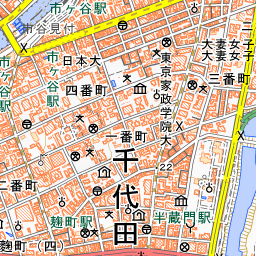
It is a 5-minute walk from Exit 1 of Kudanshita Station. As you proceed along Yasukuni-dori Avenue, you will see the large First Torii on your right. On the approach between the First Torii and the Second Torii stands a bronze statue of Omura Masujiro. Omura Masujiro was an instrumental figure in the founding of Yasukuni-jinja Shrine, and this statue from 1893 is introduced as Japan's oldest Western-style bronze statue.
Long known as a famous cherry blossom viewing spot, the shrine has about 400 cherry trees, including Somei-Yoshino and Yamazakura, that bloom within the grounds in spring. The Somei-Yoshino sample tree used to declare the flowering in Tokyo is also located on the grounds. During the Mitama Matsuri festival held annually from July 13 to 16, 30,000 large and small dedication lanterns are displayed.
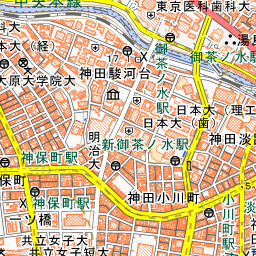
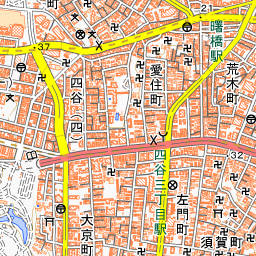
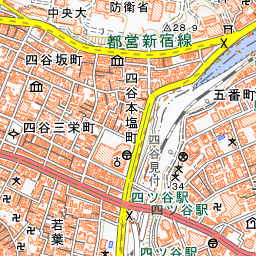
About 500 meters to the southeast is the Chidorigafuchi Greenway, and about 720 meters to the north-northeast is Tokyo Daijingu Shrine.
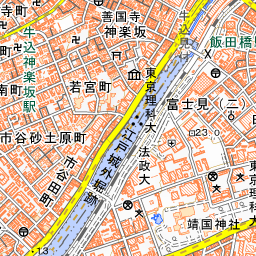

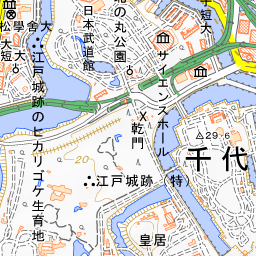
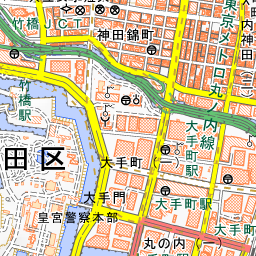
Spot location © OpenStreetMap contributors (ODbL)
Open in Google MapsGuides that include this spot (1)
Use asobot while you walk
- See where you are on the map and find spots nearby
- Listen to the guide's audio in course order, one after another (with subtitles)
- Walk to the next spot while following the map
Open on your phone
Scan to open this spot in asobot on your phone.