 ✨ AI Generated
Kurozuka Kofun Burial Mound
Japanese: 黒塚古墳
Tenri, Nara
This information was written by AI and may contain mistakes. Please check official sources for opening hours, fees, and other details before you go.
Found a mistake? Let us know with “✏️ Something's wrong” on this spot's screen in asobot →
🎧 Audio guide(1:06)
In short
Kurozuka Kofun Burial Mound is a keyhole-shaped tumulus located in Yanagimoto-cho, Tenri City, and is considered to have been constructed between the late 3rd century and the early 4th century. Excavations conducted in 1997 and 1998 uncovered 33 sankakubuchi shinjukyo (triangular-rimmed deity and beast mirrors) in an arrangement close to how they were laid out at burial. It is designated as a National Historic Site, and at the adjacent Tenri City Kurozuka Tumulus Museum, visitors can see a full-scale reconstruction of the stone burial chamber.
- 33 Mirrors: The triangular-rimmed deity and beast mirrors were leaned against the walls of the stone chamber, surrounding the northern half of the coffin.
- Full-Scale Stone Chamber: The museum displays a reconstructed vertical stone burial chamber and replicas of the 33 mirrors.
- A Tumulus That Became a Castle: From the medieval to early modern periods, it was used as a castle and a jinya (administrative base), altering its shape over time.
History and Highlights
Kurozuka Kofun Burial Mound is a keyhole-shaped tumulus located in Yanagimoto-cho, Tenri City, and belongs to the Yanagimoto tumulus cluster within the Oyamato Tumulus Cluster spanning the eastern part of the Nara Basin. Its rectangular front part faces west, with its current total length measuring 132 meters and the round rear part having a diameter of 72 meters. It is considered to have been built from the late 3rd century to the early 4th century.
From the medieval to early modern periods, the mound was repurposed into a castle and a jinya. When the Yanagimoto Domain was established in the Edo period, a jinya was built, and the burial mound along with its surrounding moat became part of this base. Because of this, its original size and tier shapes remain unknown.
In 1997 and 1998, the Archaeological Institute of Kashihara, Nara Prefecture conducted excavation surveys. At the top of the round rear part lies a vertical stone burial chamber. Its interior measures 8.3 meters in length and 1.7 meters in height. Although earthquakes and grave robbing damaged the upper section, the inside remained largely in its original state, revealing how the funerary goods were placed.
Inside the stone chamber lay a split-bamboo-shaped wooden coffin (waritake-gata mokkan) measuring 6.2 meters in length. Inside the coffin, one gamontai shinjukyo (figured-band deity and beast mirror) and iron swords and blades were placed surrounding the upper body of the deceased. The 33 triangular-rimmed deity and beast mirrors were lined up surrounding the northern half of the coffin. Triangular-rimmed deity and beast mirrors have drawn attention in relation to debates regarding the location of Yamatai, stemming from the account in the Gishi Wajinden (Records of the Wei: Account of the Wa) stating that Himiko was granted 100 bronze mirrors by Wei. The only other site where 30 or more were found together is Tsubai Otsukayama Kofun Burial Mound in Kyoto Prefecture.
The tumulus was designated as a National Historic Site in 2001. The excavated artifacts were designated as Important Cultural Properties of Japan under the name "Artifacts Excavated from Kurozuka Tumulus, Nara Prefecture" and are held by the Archaeological Institute of Kashihara.
Highlights for Appreciation and Experiences
- Visualizing the Arrangement of the Mirrors: The mirrors were set with their reflective faces toward the coffin, with 17 leaned against the east wall, 15 against the west wall, and 1 placed at the north end of the coffin. In front of the full-scale stone chamber at the museum, try picturing this arrangement.
- Structure of the Stone Chamber: The walls of the stone chamber were built with river stones stacked at the bottom and stone slabs stacked on the upper section, projecting slightly inward to form the ceiling. You can examine this shape in the reconstruction at the museum.
- Climbing the Round Rear Mound: The area surrounding the tumulus has been developed as Yanagimoto Park, allowing visitors to climb the round rear mound. Try taking in the surrounding views from the top of the mound once used as a castle and jinya.
Tips for Visiting
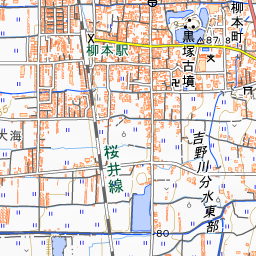
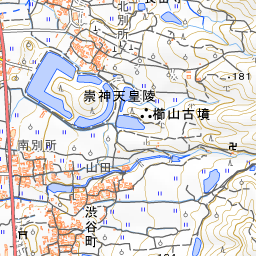
It is about a 7-minute walk from JR Yanagimoto Station. The Tenri City Kurozuka Tumulus Museum is adjacent to the mound and was opened in 2002 as a facility to introduce the site. Viewing the replica of the stone chamber and mirrors at the museum first before climbing the mound makes it easier to understand where the stone chamber was situated. The Mausoleum of Emperor Sujin is located approximately 620 meters east-southeast, and Chogaku-ji Temple is about 820 meters to the east.
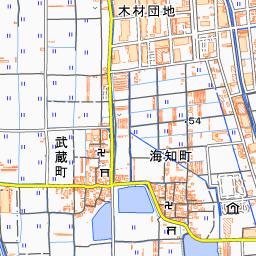
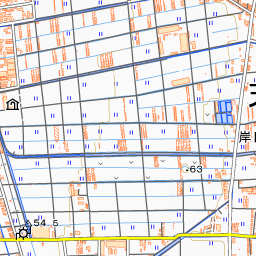
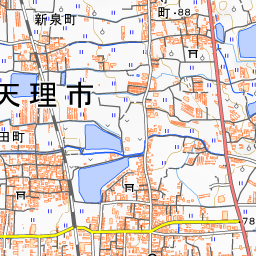
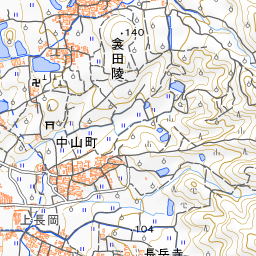
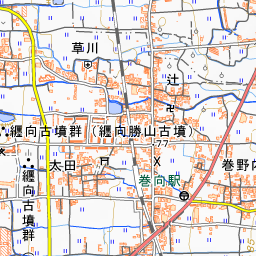
Spot location © OpenStreetMap contributors (ODbL)
Open in Google MapsGuides that include this spot (1)
Use asobot while you walk
- See where you are on the map and find spots nearby
- Listen to the guide's audio in course order, one after another (with subtitles)
- Walk to the next spot while following the map
Open on your phone
Scan to open this spot in asobot on your phone.