 ✨ AI Generated
Minoo Falls
Japanese: 箕面大滝
Minoh, Osaka
This information was written by AI and may contain mistakes. Please check official sources for opening hours, fees, and other details before you go.
Found a mistake? Let us know with “✏️ Something's wrong” on this spot's screen in asobot →
🎧 Audio guide(1:00)
In short
A waterfall 33 meters high and 5 meters wide, located deep in the northern part of the prefectural Minoo Park. In 1990 (Heisei 2), it was the only waterfall in Osaka Prefecture to be selected among "Japan's Top 100 Waterfalls." According to one theory, the surface of the waterfall resembles a mi (winnowing basket), a farming tool, which is said to have led to it being written with the characters for "Minoo." There is a legend that a dragon, or water deity, resides in the waterfall, and it has long been an object of worship.
- Looking up from the plaza in front of the falls: There is a plaza in front of the waterfall, allowing visitors to look up at it from straight ahead. This plaza was developed in 1920 (Taisho 9), at which time the plunge basin was widened to the south and rocks were piled along its edge
- A spot famous for fresh greenery and autumn foliage: Many visitors from both Japan and abroad come to enjoy the scenery of the waterfall, mountain stream, and Japanese maples. In 1934 (Showa 9), Hankyu Railway initiated the "Five-Color Falls," illuminating the waterfall in five hues
- Water volume varying with rain: The volume of water flowing over the falls increases or decreases in conjunction with the amount of rainfall. Although there were once reports suggesting that it had become an artificial waterfall due to tunnel construction, Minoo City has explained that it is not an artificial waterfall
History and Highlights
Minoo Falls is a waterfall measuring 33 meters high and 5 meters wide, located deep in the northern part of the prefectural Minoo Park within Meiji no Mori Minoo Quasi-National Park. In 1990 (Heisei 2), it was the only waterfall in Osaka Prefecture to be selected among "Japan's Top 100 Waterfalls." The origin of the place name "Minoo" is not certain, but according to one theory, the surface of the waterfall resembled a mi (winnowing basket)—a farming tool used to sift chaff—which led to it being written with the characters for "Minoo."
Mt. Minoo has a legend that a dragon, or water deity, resides in the waterfall, and it has long been an object of worship. Ryuan-ji Temple, whose founding is attributed to En no Gyoja in its temple records, was originally located near the basin of the falls. However, many of its buildings were destroyed in the major earthquake of 1596 (Bunroku 5), after which it was relocated to its current site. From around the end of the Heian period, the magnificent scenery of the waterfall and gorge began to be celebrated in waka poetry, and in the Edo period, its autumn leaves also became renowned. Lighting up the waterfall began shortly after the opening of the Minoo Arima Electric Railway, and in 1934 (Showa 9), Hankyu Railway initiated the "Five-Color Falls," illuminating the waterfall in five hues.
Viewing and Experience Points
- Looking up from the plaza in front of the falls: There is a plaza directly in front of the waterfall, allowing visitors to look up at it from straight ahead. This plaza was developed in 1920 (Taisho 9), at which time the plunge basin was widened to the south and rocks were piled along its edge.
- A spot famous for fresh greenery and autumn foliage: Renowned as a prime location for fresh greenery and fall foliage, it attracts many visitors from both Japan and abroad to enjoy the scenery of the waterfall, mountain stream, and Japanese maples.
- Water volume varying with rain: The volume of water flowing over the falls increases or decreases in conjunction with the amount of rainfall. Although there were once reports suggesting that it had become an artificial waterfall due to tunnel construction, Minoo City has explained that it is not an artificial waterfall.
Walking Tips
Walking along the Takimichi Path in Minoo Park from Hankyu Minoo Station takes about 15 minutes to reach the Minoo Park Insect Museum, and from there it is roughly another 30 minutes to the falls. You can stop by Ryuan-ji Temple and the insect museum along the way. Privately owned shops line the plaza in front of the waterfall, which also features the Takimae Rest Area and the Takimi Rest Area. With the exception of permitted vehicles, general vehicles including bicycles are not allowed inside the park. Please do not approach the monkeys or give them food. For the history and origins of the park, please also refer to the Minoo Park guide.
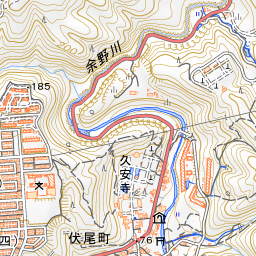
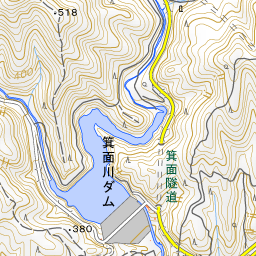
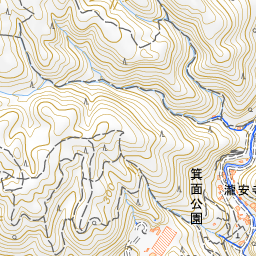

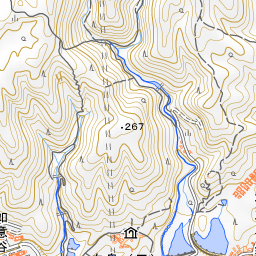
Spot location © OpenStreetMap contributors (ODbL)
Open in Google MapsGuides that include this spot (1)
Use asobot while you walk
- See where you are on the map and find spots nearby
- Listen to the guide's audio in course order, one after another (with subtitles)
- Walk to the next spot while following the map
Open on your phone
Scan to open this spot in asobot on your phone.