 ✨ AI Generated
The National Museum of Modern Art, Kyoto
Japanese: 京都国立近代美術館
Sakyo Ward, Kyoto
This information was written by AI and may contain mistakes. Please check official sources for opening hours, fees, and other details before you go.
Found a mistake? Let us know with “✏️ Something's wrong” on this spot's screen in asobot →
🎧 Audio guide(1:05)
In short
The National Museum of Modern Art, Kyoto is a national art museum located in Okazaki Park. It opened in 1963 as the Kyoto Annex of the National Museum of Modern Art and became independent in 1967. Since its inception, it has emphasized crafts, and as of the end of March 2025, the collection numbers 13,813 works. The current building was designed by architect Maki Fumihiko and completed in 1986.
- Crafts and Kyoto Nihonga (Japanese-style Painting): The 425 works by Kawai Kanjiro form a collection that encompasses his representative works from his early career to his later years. In Nihonga, the museum houses works by artists such as Takeuchi Seiho, Uemura Shoen, and Murakami Kagaku
- Architecture Reflecting Kyoto: The granite grid on the exterior walls and the symmetrical facade reflect the grid pattern of Kyoto's cityscape and the symmetrical form of Okazaki Park centered on Heian-jingu Shrine
- Special Exhibitions and the Collection Gallery: Special exhibitions are held on the 3rd floor, while the 4th floor introduces works from the museum's collection through displays such as those themed around the transition of the four seasons
History and Highlights
The National Museum of Modern Art, Kyoto is a national art museum located in Okazaki Park. It opened in 1963 as the Kyoto Annex of the National Museum of Modern Art, renovating an annex of the Kyoto City Exhibition Hall into a museum, and became independent as The National Museum of Modern Art, Kyoto in 1967. The current building was designed by architect Maki Fumihiko and completed in 1986. Maki Fumihiko is a world-renowned architect who received the Pritzker Architecture Prize.
Since its inception, the museum has emphasized crafts in response to requests from Kyoto City. Its Japanese works have been collected with an emphasis on artistic activities in Kansai and western Japan, based in Kyoto, bringing together paintings, sculptures, prints, crafts, designs, photographs, and other genres without distinction. As of the end of March 2025, the collection numbers 13,813 works.
Points for Appreciation and Experience
- Crafts and Kyoto Nihonga (Japanese-style Painting): The 425 works by Kawai Kanjiro, a central figure in the Mingei (folk art) movement who worked mainly in ceramics, form a collection that encompasses his representative works from his early career to his later years. In Nihonga, the museum houses works by artists such as Takeuchi Seiho, Uemura Shoen, and Murakami Kagaku.
- Architecture Reflecting Kyoto: With a grid of Portuguese granite on the exterior walls and a symmetrical facade design, the building reflects the grid pattern of Kyoto's cityscape and the symmetrical form of Okazaki Park centered on Heian-jingu Shrine. Because buildings within the park cannot be built higher than the Otorii (grand torii gate) of Heian-jingu Shrine, various devices were incorporated to create an open feel, such as letting light in from the ceiling above the grand staircase at the front and lining the lobby at the rear with large glass panels overlooking the Lake Biwa Canal.
- Special Exhibitions and the Collection Gallery: Special exhibitions are held in the Special Exhibition Gallery on the 3rd floor, while the Collection Gallery on the 4th floor introduces works from the museum's collection from diverse perspectives, such as exhibitions themed around the transition of the four seasons.
Tips for Visiting
From Exit 1 of Higashiyama Station on the subway Tozai Line, it is about a 10-minute walk. On the first floor, there is a glass-walled cafe facing the Lake Biwa Canal, where visitors can view the rows of cherry trees along the canal during the cherry blossom season. The Kyoto City KYOCERA Museum of Art and Heian-jingu Shrine are also nearby, allowing visitors to tour the cultural facilities of Okazaki together.


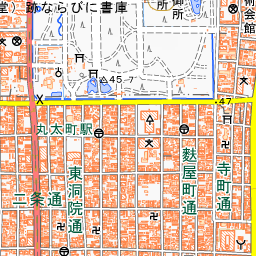


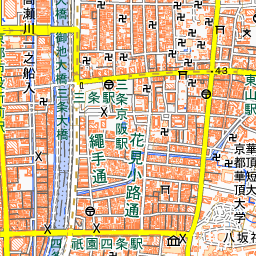


Spot location © OpenStreetMap contributors (ODbL)
Open in Google MapsGuides that include this spot (1)
Use asobot while you walk
- See where you are on the map and find spots nearby
- Listen to the guide's audio in course order, one after another (with subtitles)
- Walk to the next spot while following the map
Open on your phone
Scan to open this spot in asobot on your phone.