 ✨ AI Generated
Nidec Kyoto Tower
Japanese: ニデック京都タワー
Shimogyo Ward, Kyoto
This information was written by AI and may contain mistakes. Please check official sources for opening hours, fees, and other details before you go.
Found a mistake? Let us know with “✏️ Something's wrong” on this spot's screen in asobot →
🎧 Audio guide(1:05)
In short
A slender white tower standing at the gateway to Kyoto, envisioned as a lighthouse illuminating the landlocked city. Its observation deck opened on December 28, 1964, and after being long cherished under the name "Kyoto Tower," it adopted its current name on April 1, 2024. It is 131 meters tall from ground level.
- Observation Deck 100 Meters Above Ground: From the highest observation deck in the urban area of Kyoto, you can enjoy a 360-degree view of the city surrounded by the Kyoto Sanzan (the three mountain ranges surrounding Kyoto)
- Monocoque Structure: Designed by the architect Yamada Mamoru, the tower was the first structure in Japan to adopt a structure that joins cylindrical steel plates together without using any steel framing
- KYOTO TOWER SANDO: From basement level 1 to the second floor of the building at the tower's base, there are a food hall for savoring Kyoto's gourmet cuisine, a market stocked with Kyoto-style goods, and a floor of hands-on experiences of Japanese culture
History and Highlights
Nidec Kyoto Tower is a slender white tower standing at the gateway to Kyoto. Its design is based on the motif of a lighthouse, envisioned as illuminating the landlocked city of Kyoto, with the tiled roofs of the city's houses of old likened to waves.
Originally, the Kyoto Central Post Office stood on this site. When the decision was made to relocate the post office in 1953, a company was established to create a major center for industry, culture, and tourism at the gateway to Kyoto. On December 28, 1964—the year the Tokaido Shinkansen opened and the Tokyo Olympics were held—the tower's observation deck opened. Long cherished under the name "Kyoto Tower," it adopted its current name on April 1, 2024.
The tower was designed by architect Yamada Mamoru, known for works such as the Nippon Budokan. It was the first structure in Japan to adopt a "monocoque structure," joining cylindrical steel plates together without using any steel framing, and is said to be designed to withstand typhoons and earthquakes. The tower stands atop a building with three basement floors and nine above-ground floors, reaching a height of 131 meters from ground level.
Viewing and Experience Highlights
- Observation Deck 100 Meters Above Ground: From the highest observation deck in the city of Kyoto, you can enjoy a 360-degree panoramic view of the urban area surrounded by the Kyoto Sanzan (the three mountain ranges surrounding Kyoto). You can also look out over To-ji Temple and the main hall of Kiyomizu-dera Temple, known for the "stage of Kiyomizu." On clear days, it is sometimes possible to see as far as Osaka.
- A White Lighthouse and Evening Lights: While the tower usually shines white, special LED color illuminations are also carried out in conjunction with awareness campaigns and other events. Looking for the tower in its changed colors amidst the nighttime scenery in front of the station is another way to enjoy the visit.
- KYOTO TOWER SANDO: From basement level 1 to the second floor of the building at the tower's base is KYOTO TOWER SANDO. Basement level 1 is a food hall for savoring Kyoto's gourmet cuisine, the 1st floor is a market stocked with Kyoto-style goods, and the 2nd floor is a hands-on experience floor where visitors can engage with Japanese culture, such as making traditional Japanese sweets (wagashi).
Walking Tips
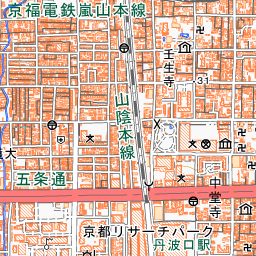
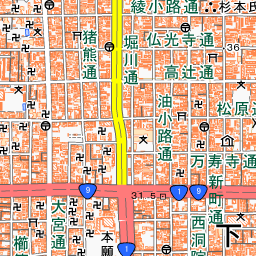
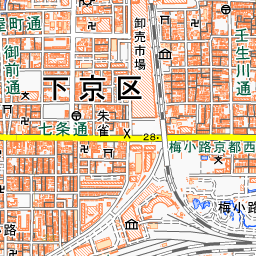
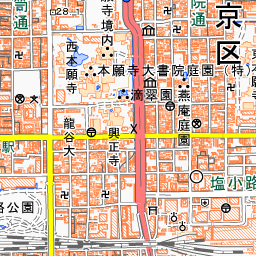
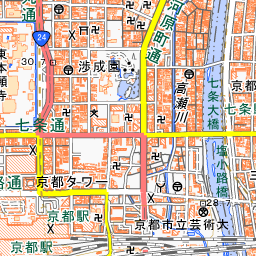
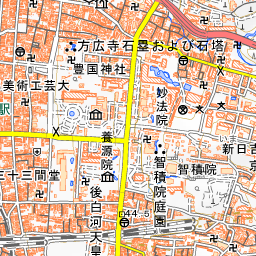
It is about a 2-minute walk from the Central Exit of JR Kyoto Station, and is also directly connected to the Kyoto Station underground shopping street, Porta. It is also recommended to check the locations of the temples, shrines, and mountains you plan to visit from the observation deck before setting out. Across the street at the Kyoto Station Building, you can get a great view of the tower from the Karasuma-koji Square on the 4th floor. Walking about 400 meters to the north brings you to Higashi Hongan-ji Temple, and Nishi Hongwanji Temple is also about a 15-minute walk away.


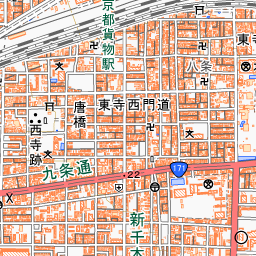
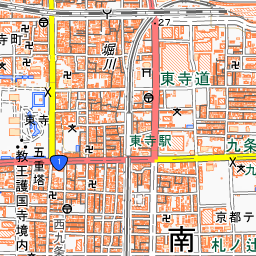
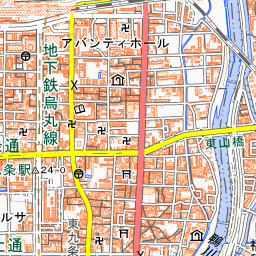
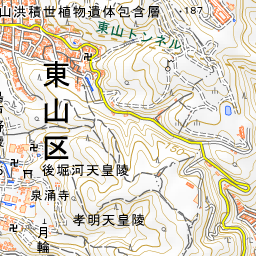
Spot location © OpenStreetMap contributors (ODbL)
Open in Google MapsGuides that include this spot (1)
Use asobot while you walk
- See where you are on the map and find spots nearby
- Listen to the guide's audio in course order, one after another (with subtitles)
- Walk to the next spot while following the map
Open on your phone
Scan to open this spot in asobot on your phone.