 ✨ AI Generated
Nihombashi Mitsukoshi Main Store
Japanese: 日本橋三越本店
Chuo City, Tokyo
This information was written by AI and may contain mistakes. Please check official sources for opening hours, fees, and other details before you go.
Found a mistake? Let us know with “✏️ Something's wrong” on this spot's screen in asobot →
🎧 Audio guide(1:01)
In short
This historic department store traces its origins to Echigoya, a kimono fabric shop founded in Nihonbashi during the Edo period. Completed in 1935 in the Western classical style, the Main Building was designated an Important Cultural Property of Japan in 2016. Visitors can stroll through this historic building while shopping.
- Lion Statues: At the main entrance of the Main Building, two lion statues that are popular meeting spots welcome visitors.
- Statue of Tennyo (Celestial Maiden): A wooden sculpture of a celestial maiden standing 10.9 meters tall rises in the five-story open central hall.
- Pipe Organ and Fossils: On the second floor above the grand staircase is a pipe organ made in 1929, and fossils such as ammonites can be found in the marble of the stairs.
History and Highlights
The beginnings of Nihombashi Mitsukoshi Main Store date back to 1673, when Mitsui Takatoshi opened the kimono fabric shop Echigoya in Edo. After moving to Suruga-cho in 1683, the shop introduced a new sales method known as genginkakenenashi (cash payments at fixed prices). Under this practice, goods were sold at fixed prices without raising or lowering them depending on the customer, and instead of selling on credit settled twice a year (at the Obon festival and year-end), payments were collected in cash over the counter. The name Mitsukoshi was formed by taking one character each from "Mitsui" and "Echigoya."
In 1904, when the store's name was changed to Mitsukoshi Gofukuten, it published the "Department Store Declaration" in major nationwide newspapers to announce its intention to become a department store. In 1914, a main building with a Renaissance-style exterior was completed, featuring modern facilities including Japan's first escalator.
The current building was completed in 1935 after six years of extension and renovation work. At the time of its completion, it was the largest building in Japan after the National Diet Building and the Marunouchi Building (Marubiru). In July 2016, the Main Building was designated a national Important Cultural Property as a valuable structure demonstrating the development of department store architecture in Japan.
Appreciation and Experience Points
- Lion Statues: The two lion statues at the main entrance of the Main Building were ordered from the United Kingdom by then-general manager Hibi Osuke during his inspection tour of the West. Modeled after the lions at the base of Nelson's Column in London's Trafalgar Square, they took three years to complete.
- Central Hall and the Statue of Tennyo: The center of the first floor opens into a large, five-story atrium decorated in the Art Deco style. Amidst marble-clad pillars, walls, and stained glass in the ceiling, the 10.9-meter-tall wooden Statue of Tennyo (Celestial Maiden), crafted by sculptor Sato Gengen, stands in the center of the grand staircase leading to the second floor. It was placed there in 1960.
- Pipe Organ and Fossils: On the second-floor balcony of the central hall, reached by climbing the grand staircase, stands a pipe organ built in the United States in 1929. Looking closely at the marble of the grand staircase, visitors can spot fossils such as ammonites.
Tips for Exploring
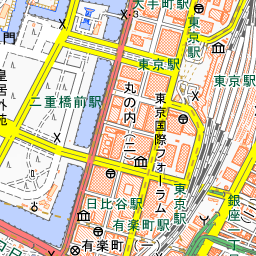
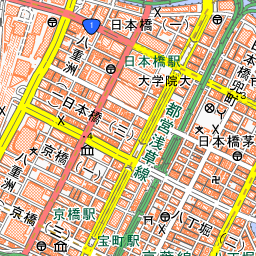
The store is a one-minute walk from Tokyo Metro Mitsukoshimae Station. Start by admiring the exterior from outside—with granite walls on the first floor and rows of thick columns clad in white tiles from the second to fifth floors—before entering through the main entrance past the lion statues. Passing through the main corridor, the Statue of Tennyo comes into view. The Mitsukoshi Theater is on the sixth floor of the Main Building, and Mimeguri-jinja Shrine is on the rooftop. Nihonbashi is located about 220 meters to the south, and the Mitsui Memorial Museum is about 140 meters to the north.

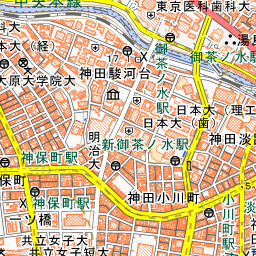
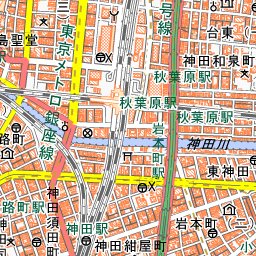


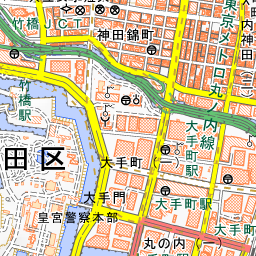
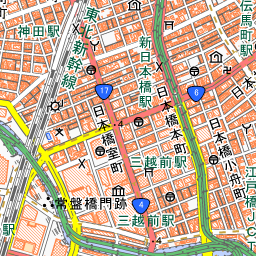
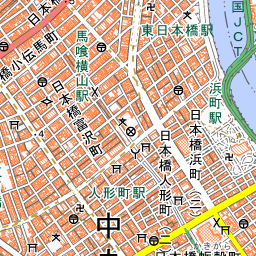
Spot location © OpenStreetMap contributors (ODbL)
Open in Google MapsUse asobot while you walk
- See where you are on the map and find spots nearby
- Listen to the guide's audio in course order, one after another (with subtitles)
- Walk to the next spot while following the map
Open on your phone
Scan to open this spot in asobot on your phone.