 ✨ AI Generated
The Museum Yamato Bunkakan
Japanese: 大和文華館
Nara City, Nara
This information was written by AI and may contain mistakes. Please check official sources for opening hours, fees, and other details before you go.
Found a mistake? Let us know with “✏️ Something's wrong” on this spot's screen in asobot →
🎧 Audio guide(1:10)
In short
The Museum Yamato Bunkakan is an art museum located in a residential area of Gakuen-mae in Nara City. It opened in 1960 to commemorate the 50th anniversary of the founding of Kinki Nippon Railway. The museum houses over 2,000 Asian fine and decorative artworks, centering on Japan, China, and Korea, including 4 National Treasures and 31 Important Cultural Properties.
- A Building in Harmony with Nature: Designed by Yoshida Isoya, the main building features namako-kabe (walls with raised white plaster joints) reminiscent of Momoyama-period castles, and has a bamboo garden in the center of the exhibition hall.
- National Treasure Paintings: The collection includes the late Heian-period "Nezame Monogatari Emaki" and the early Edo-period "Matsuura Byobu."
- Bunka-en: A natural garden surrounding the main building, where seasonal flowers such as plum blossoms, Miharu Takizakura cherry blossoms, Sasayuri lilies, and hydrangeas can be enjoyed.
History and Highlights
The Museum Yamato Bunkakan is an art museum situated in a quiet residential neighborhood of Gakuen-mae in Nara City. It opened in 1960 (Showa 35) to celebrate the 50th anniversary of Kinki Nippon Railway's founding.
It began with the wish of Oita Torao, the fifth president of Kintetsu. As the head of a company laying railways through a historic region, he wanted to create a facility along its lines that could showcase the splendor of Japanese art to the world. Art historian Yashiro Yukio was entrusted with the plan and later became the first director. The creation of the art museum began from scratch in 1946, shortly after the end of World War II. It opened on October 31, 1960, by which time the collection had grown to over 700 items.
Yashiro believed that Asian art looks most beautiful within a "natural frame." Based on this concept, Yoshida Isoya designed the main building. The museum sits on a hill overlooking Kaerumata-ike Pond and is surrounded by a natural garden called Bunka-en. The current collection exceeds 2,000 items, including 4 National Treasures and 31 Important Cultural Properties.
Appreciation and Experience Tips
- The Path from the Gate to the Main Building: Passing through the gate where old Japanese red pines welcome visitors, you ascend a gently curving path toward the main building. The exterior of the main building features namako-kabe that evokes Momoyama-period castles. Upon entering, the corridors supported by heavy timber framing are bathed in soft light passing through shoji screens.
- Exhibition Hall with a Bamboo Garden: In the center of the exhibition hall is a courtyard planted with bamboo. This is designed to allow visitors to view artworks in a more natural environment. Beyond the terrace, a view of Mt. Takamado can also be seen. The exhibitions feature fine and decorative arts primarily from Japan, China, and Korea, and change about eight times a year.
- National Treasure Paintings: The collection includes the late Heian-period National Treasure "Nezame Monogatari Emaki" and the early Edo-period National Treasure "Fujo Yuraku-zu Byobu," commonly known as "Matsuura Byobu." Which works are on display varies depending on each exhibition.
Walking Tips
It is about a 7-minute walk from the South Exit of Gakuen-mae Station on the Kintetsu Nara Line. The path from the gate to the main building slopes gently through Bunka-en. Bunka-en features highlights such as plum blossoms, Miharu Takizakura cherry blossoms, Sasayuri lilies, and hydrangeas, with wild birds chirping in the pine grove. Resting your eyes on the bamboo garden or the garden's flowers after viewing the exhibits is part of the pleasure of visiting this museum. Within the grounds is also Bunka Hall, which incorporates a relocated portion of the lounge of Nara Hotel, designed by Tatsuno Kingo. The Shohaku Art Museum, also established by Kintetsu, is located about 1.9 kilometers to the northwest.

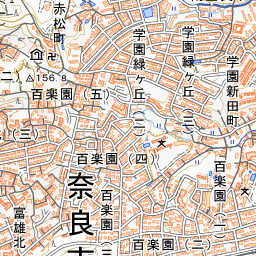

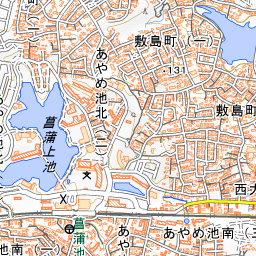
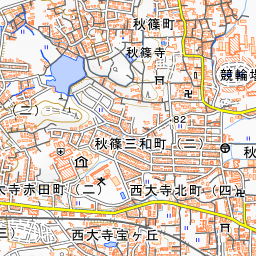
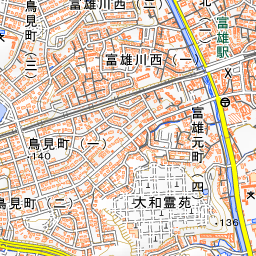
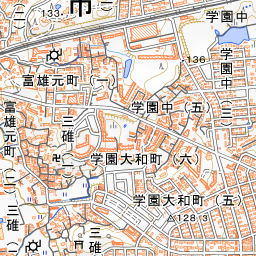
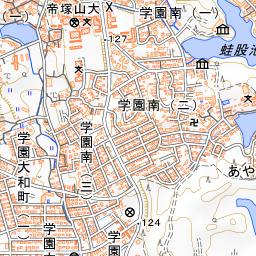
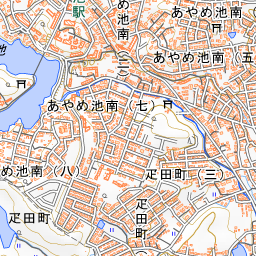

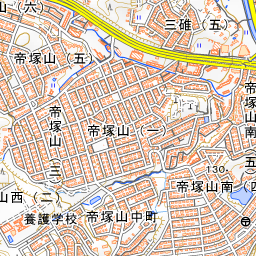
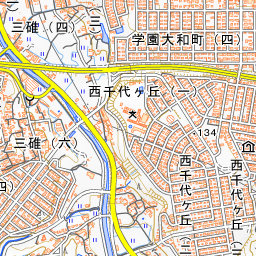
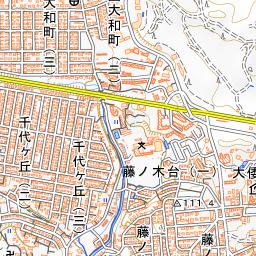
Spot location © OpenStreetMap contributors (ODbL)
Open in Google MapsUse asobot while you walk
- See where you are on the map and find spots nearby
- Listen to the guide's audio in course order, one after another (with subtitles)
- Walk to the next spot while following the map
Open on your phone
Scan to open this spot in asobot on your phone.