 ✨ AI Generated
Manpuku-ji Temple
Japanese: 萬福寺
Uji, Kyoto
This information was written by AI and may contain mistakes. Please check official sources for opening hours, fees, and other details before you go.
Found a mistake? Let us know with “✏️ Something's wrong” on this spot's screen in asobot →
🎧 Audio guide(1:09)
In short
The head temple of the Obaku sect, with the mountain name Mount Obaku. It was founded in 1661 (the first year of the Kanbun era) by Ingen Ryuki, an eminent Zen master from the Ming dynasty of China. The buildings were constructed in the style of around the late Ming dynasty of China, and the three structures of the Tennoden, Daiohoden, and Hatto were designated as National Treasures in 2024.
- The Statue of Hotei in the Tennoden: A large seated statue of Hotei, crafted in 1663 (the third year of the Kanbun era) by the Buddhist sculptor Han Dosei, is enshrined at the front of the Tennoden, which serves as the entrance hall of the temple. Hotei is said to be an incarnation of Miroku Bosatsu (Maitreya Bodhisattva), and he is regarded as Miroku Buddha at Manpuku-ji Temple
- Ming Dynasty-style Designs: Across the grounds are various design elements not seen in other Japanese temples, such as balustrades with a manji-kuzushi (broken swastika) fret pattern, arched "Obaku ceilings," round windows, and peach-shaped "tofu" talismans on doors
- The Kaipan in Front of the Saido and Fucha Ryori: In front of the Saido is a fish-shaped "kaipan," which is also said to be the prototype of the wooden fish drum. The Buddhist vegetarian cuisine known as "fucha ryori," introduced from China by Master Ingen Ryuki, can be enjoyed at the temple with a reservation
History and Highlights
Manpuku-ji Temple is the head temple of the Obaku sect, with the mountain name Mount Obaku. It was founded in 1661 (the first year of the Kanbun era) by Ingen Ryuki, an eminent Zen master from the Ming dynasty of China. The master had been the head priest of Mount Obaku Wanfu Temple in Fujian Province, China. In response to repeated invitations from Japan, he came to Japan in 1654 (the third year of the Joo era) at the age of 63, accompanied by his disciples. The temple he founded in Uji was given the same name as his temple in China.
The buildings of Manpuku-ji Temple were constructed in the style of the late Ming dynasty of China. The temple compound faces west and is arranged symmetrically. Entering through the Somon (Main Gate), the Sanmon (Mountain Gate), Tennoden (Heavenly Kings Hall), Daiohoden (Main Buddha Hall), and Hatto (Dharma Hall) are aligned in a straight line, and all the buildings are connected by roofed corridors. In 2024, the three structures of the Tennoden, Daiohoden, and Hatto were designated as National Treasures, and the Somon, Sanmon, Saido (refectory), and Kaisando (founder's hall) are also designated by the state as Important Cultural Properties. The Daiohoden, which serves as the main hall, is the largest building in the temple and is extremely valuable as a historic building constructed using teak wood.
The cultural elements introduced by Master Ingen Ryuki covered a wide range of areas, including architecture, printing, sencha (infused green tea), and fucha ryori (vegetarian cuisine), influencing the culture of the Edo period as a whole. Kidney beans (ingen-mame), watermelon, lotus root, moso bamboo, and the mokugyo (wooden fish drum) are also said to have been brought to Japan by the master.
Sights and Experiences
- The Statue of Hotei in the Tennoden: A large seated statue of Hotei is enshrined at the front of the Tennoden, which serves as the entrance hall of the temple. It was crafted in 1663 (the third year of the Kanbun era) by the Buddhist sculptor Han Dosei. Hotei is said to be an incarnation of Miroku Bosatsu (Maitreya Bodhisattva), and he is revered as Miroku Buddha at Manpuku-ji Temple.
- Ming Dynasty-style Designs: Across the grounds are various design elements not seen in other Japanese temples, such as balustrades with a manji-kuzushi (broken swastika) fret pattern, arched "Obaku ceilings," round windows, and peach-shaped "tofu" talismans on doors. The approach path is paved with square flat stones arranged in a diamond pattern, flanked on both sides by stone edging strips (sekijo), designed to resemble the scales on a dragon's back.
- The Kaipan in Front of the Saido and Fucha Ryori: In front of the Saido, which is the monks' refectory, hangs a fish-shaped "kaipan" (wooden fish board), which is struck to signal the times for rituals and meals. It is also considered the prototype of the wooden fish drum. The Buddhist vegetarian cuisine known as "fucha ryori," introduced from China by Master Ingen Ryuki, can be enjoyed at the temple with an advance reservation.
Tips for Exploring
The temple is about a 5-minute walk from both the JR Nara Line Obaku Station and Keihan Uji Line Obaku Station. The temple's parking is limited to the large parking lot on the south side. The "Hotei Matsuri" festival is held on the second Sunday of every month, except in February and August. It is also pleasant to visit along with Byodo-in Temple, Uji Bridge, and Mimuroto-ji Temple along the banks of the Uji River.
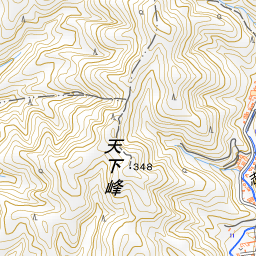
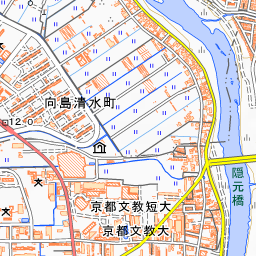
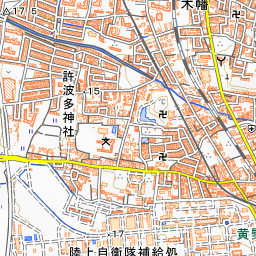

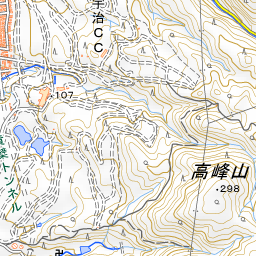
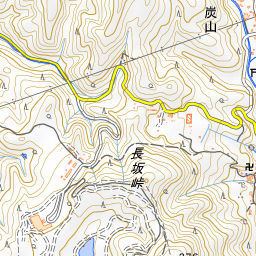
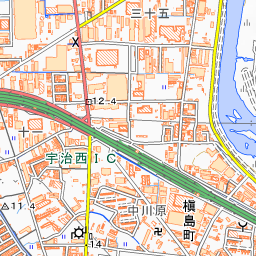
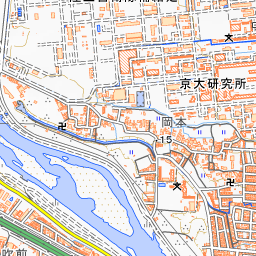
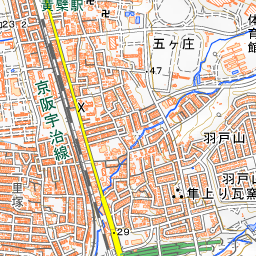
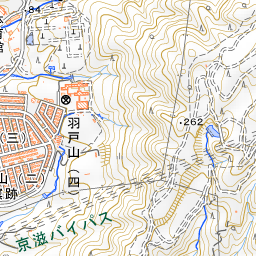
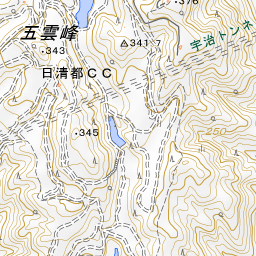
Spot location © OpenStreetMap contributors (ODbL)
Open in Google MapsGuides that include this spot (1)
Use asobot while you walk
- See where you are on the map and find spots nearby
- Listen to the guide's audio in course order, one after another (with subtitles)
- Walk to the next spot while following the map
Open on your phone
Scan to open this spot in asobot on your phone.