 ✨ AI Generated
Abeno-jinja Shrine
Japanese: 阿部野神社
Abeno Ward, Osaka
This information was written by AI and may contain mistakes. Please check official sources for opening hours, fees, and other details before you go.
Found a mistake? Let us know with “✏️ Something's wrong” on this spot's screen in asobot →
🎧 Audio guide(1:08)
In short
A shrine dedicated to Kitabatake Chikafusa and his eldest son, Kitabatake Akiie, who are known as loyal retainers of the Southern Court during the Nanboku-cho period. In the 3rd year of Engen (1338), Akiie was defeated by the army of Ko no Moronao of the Ashikaga side and died in battle at Ishizu in Izumi Province, present-day Sakai City. He was 21 years old. The "Taiheiki" gives Abeno as the place where he fell in battle, and the shrine's grounds are also considered to be a historic battlefield. The chinzasai (enshrinement ceremony) was held in 1890 (Meiji 23).
- Deities of Wisdom, Courage, and Learning: Due to the virtues shown by Chikafusa and Akiie during their lifetimes, they are venerated as deities of wisdom, courage, and learning, and the shrine is also counted as one of the "Kenmu Chuko Jugosha" (Fifteen Shrines of the Kenmu Restoration)
- Togyoshiki Procession at the Summer Festival: On July 22, the main festival day of the summer festival, a togyoshiki (procession ritual) takes place, heading to Akiie's tomb in Kitabatake Park, and the ritual of Nagoshi no Harae is also conducted
- Slopes Named After the Shrine: This area has many slopes, including slopes named in connection with the shrine, such as "Yashiro-zaka" and "Miya-zaka," which leads to the main approach
History and Highlights
Abeno-jinja Shrine is a shrine dedicated to Kitabatake Chikafusa and his eldest son, Kitabatake Akiie, who are known as loyal retainers of the Southern Court during the Nanboku-cho period.
Under the Kenmu government, Akiie accompanied Prince Noriyoshi to the eastern provinces and served as Mutsu no Kami (Governor of Mutsu). After forcing the rebellious Ashikaga Takauji to flee to Kyushu, Akiie fought against the Ashikaga forces across various regions when they advanced eastward again. On the 22nd day of the 5th month of the 3rd year of Engen (1338), he was defeated by the army of Ko no Moronao of the Ashikaga side and died in battle at Ishizu in Izumi Province, present-day Sakai City. He was 21 years old. The military chronicle "Taiheiki" gives Abeno as the place where he fell in battle, and in the Edo period, Akiie's tomb was built in Abeno by Namikawa Seisho. The shrine's grounds are also considered to be the historic battlefield where Akiie fought against the Ashikaga army.
In 1882 (Meiji 15), the founding of Abeno-jinja Shrine as a Bekkaku Kanpeisha (special government shrine) was decided, and the chinzasai (enshrinement ceremony) was held in 1890 (Meiji 23). In 1938 (Showa 13), a major festival was held to commemorate the 600th anniversary of Akiie's death. The shrine pavilions were burned down during World War II, but they were later rebuilt. The annual grand festival is held on January 24.
Highlights for Appreciation and Experiences
- Deities of Wisdom, Courage, and Learning: Due to the virtues shown by Chikafusa and Akiie during their lifetimes, they are deeply venerated by local residents as deities of wisdom, courage, and learning. The shrine is also counted as one of the "Kenmu Chuko Jugosha" (Fifteen Shrines of the Kenmu Restoration), which enshrine emperors, imperial princes, and loyal retainers who dedicated themselves to the Kenmu Restoration.
- Togyoshiki Procession at the Summer Festival: On July 22, the main festival day of the summer festival, a togyoshiki (procession ritual) takes place, heading to Akiie's tomb located in Kitabatake Park. The ritual of Nagoshi no Harae, which prays for passing through the summer safely, is also conducted.
- Slopes Named After the Shrine: This area features hilly terrain with several valleys created by erosion. There are slopes named in connection with the shrine, such as "Yashiro-zaka," named after the sanctuary, and "Miya-zaka," which leads to the main approach.
Walking Tips
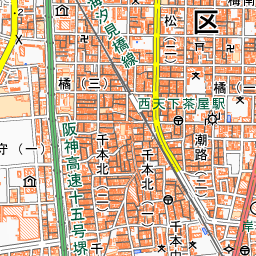
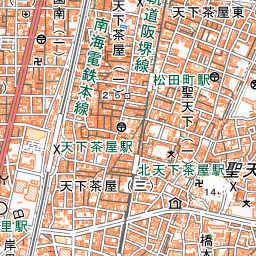
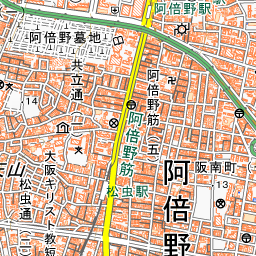
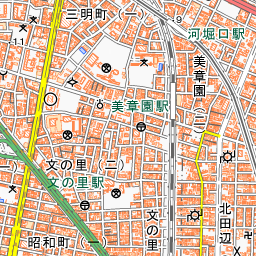
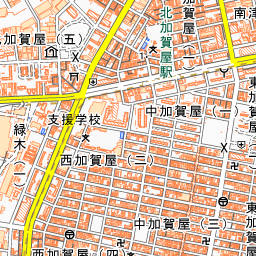
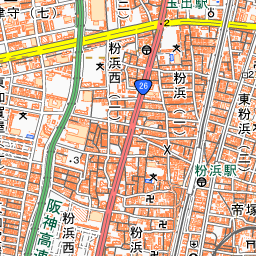
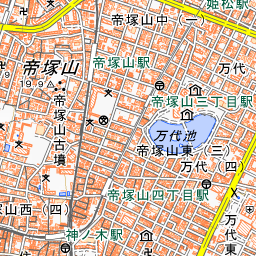
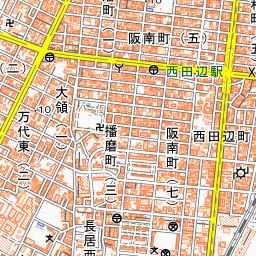
It is about a 5-minute walk from Kishinosato-Tamade Station on the Nankai Main Line and Koya Line. From Abe Oji-jinja Shrine and Abe no Seimei-jinja Shrine along the Kumano Kaido, walk south along the Kumano Kaido, turn west at the first crossroads until you reach Aioi-dori, and the area around this shrine lies just south of it. Enjoy walking while following the undulating slopes.

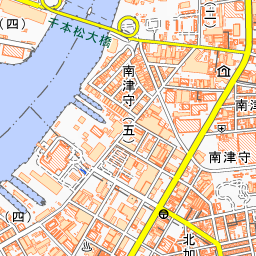
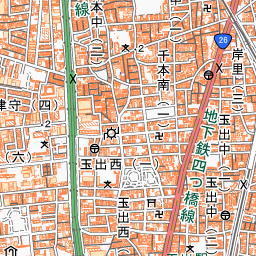

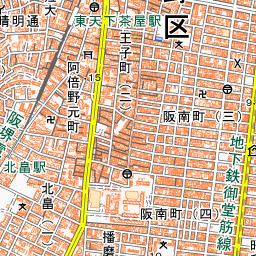
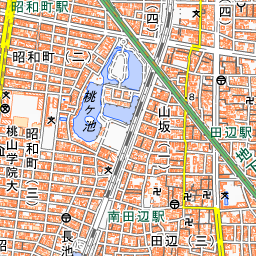
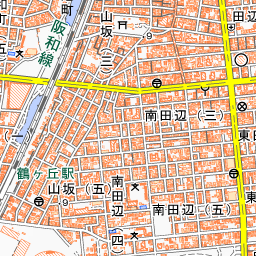
Spot location © OpenStreetMap contributors (ODbL)
Open in Google MapsUse asobot while you walk
- See where you are on the map and find spots nearby
- Listen to the guide's audio in course order, one after another (with subtitles)
- Walk to the next spot while following the map
Open on your phone
Scan to open this spot in asobot on your phone.